

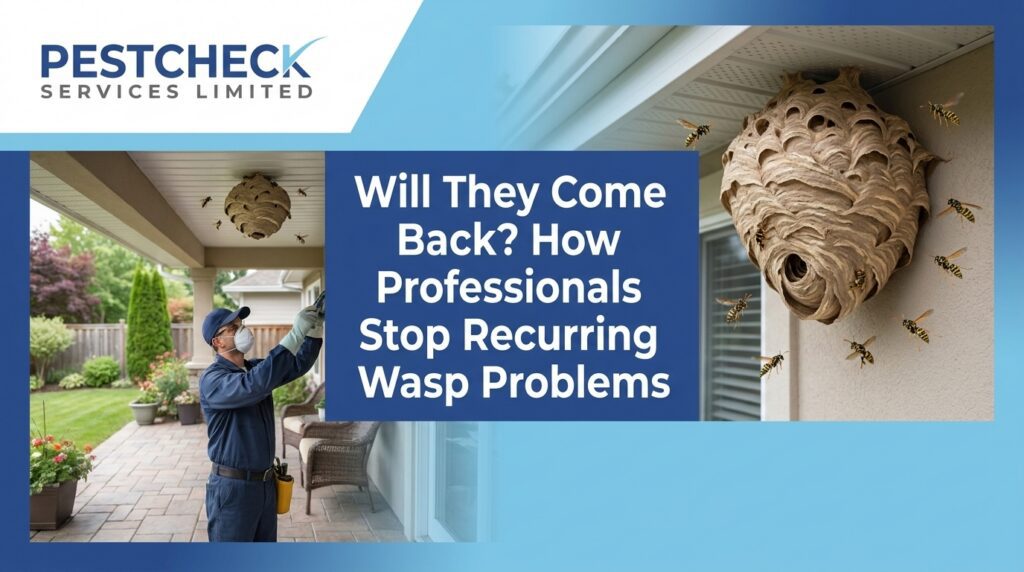
Nothing is more frustrating than finally getting rid of a buzzing, aggressive wasp colony, only to see a new one emerge in the exact same spot a few months later. Many property owners find themselves trapped in an endless cycle of swatting and running for cover, wondering why these stinging insects keep coming back to their eaves, patios, and wall voids. The truth is that recurring wasp problems are rarely a coincidence; they are driven by biological imperatives, lingering pheromones, and ideal environmental conditions that make your property a perfect nesting ground.
When you understand the science behind why wasps return, you can take decisive action to break the cycle. As professional exterminators with over twenty years of experience and a track record of safely removing over ten thousand wasp nests, we know exactly what it takes to protect a property permanently. By targeting the root causes of the infestation and implementing strategic exclusion techniques, our team ensures that once the wasps are gone, they stay gone for good.
Understanding Wasp Behavior: Why They Return
The Role of Pheromones in Nest Rebuilding
While it is a common misconception that wasps reuse their old nests, the reality is that new queens often return to the exact same locations to build fresh colonies. This phenomenon is largely driven by chemical signals. When a wasp is threatened or crushed, it releases alarm pheromones that not only attract aggressive defenders but can also linger in the area. Furthermore, the remnants of an old nest or the scent trails left behind by previous generations signal to overwintering queens that the location is a proven, safe environment for raising young. If a previous colony thrived under a specific soffit or inside a particular wall void, new queens will detect these chemical markers and establish their own nests right next to the decaying old one.
Environmental Factors That Attract Wasps to Your Property
Beyond pheromones, recurring wasp problems are heavily influenced by the environmental factors your property provides. Wasps are constantly on the hunt for three things: food, moisture, and sheltered nesting sites. Properties with abundant food sources, such as exposed garbage, uncovered compost bins, fallen fruit from trees, or high populations of smaller insects, are highly attractive to foraging workers. Additionally, architectural features like deep eaves, unsealed attic vents, loose siding, and undisturbed patio roofs offer perfect protection from wind and rain. If these environmental attractants remain unaddressed, it does not matter how many times you remove a nest; new queens will continually claim the territory as their own.
How Professional Exterminators Identify the Root Cause of Wasp Nests
Conducting Comprehensive Property Inspections
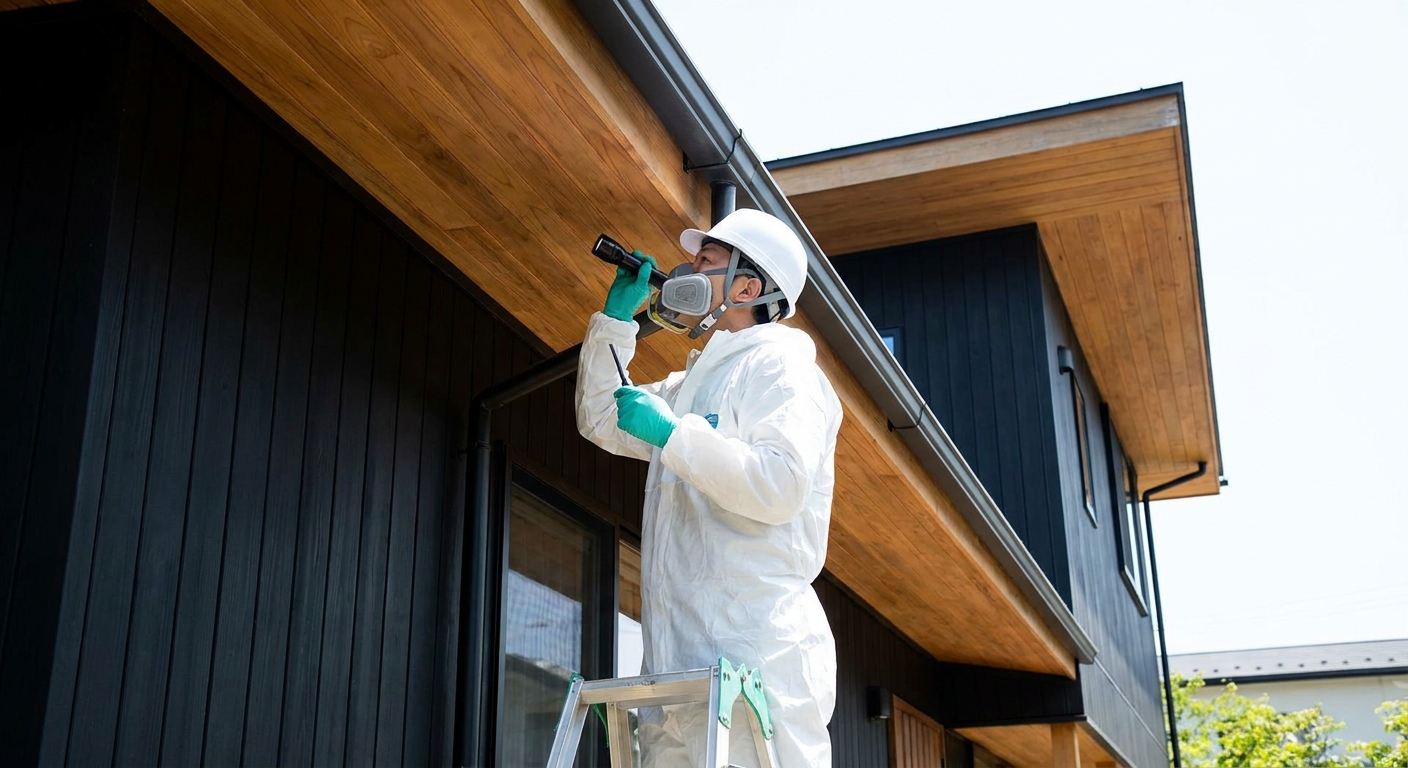
The first crucial step to stopping recurring infestations is a thorough, professional inspection. Because every property is unique, our licensed pest control technicians begin every service by meticulously examining the exterior and interior perimeters. We do not just look for the obvious, football-sized nests hanging from the gutters; we assess the entire ecosystem of your property. Our team identifies the specific environmental attractants drawing the wasps in, maps out their flight paths, and locates every potential entry point. This comprehensive diagnosis allows us to create a customized treatment plan that addresses the specific vulnerabilities of your home or business, ensuring a ninety-nine percent first-visit eradication rate.
Locating Hidden Nests in Wall Voids and Attics
Some of the most dangerous and persistent wasp problems occur when colonies build their nests entirely out of sight. Yellowjackets and certain paper wasps are notorious for exploiting tiny cracks in brickwork, gaps around window frames, or damaged roof vents to access wall voids and attics. When left undetected, these hidden nests can grow to massive sizes, eventually chewing through drywall and entering living spaces. Our highly trained technicians, guided by the expertise of our lead entomologist and seasoned professionals like our head technician Stephen Scott, utilize advanced tracking techniques to pinpoint these concealed colonies. By observing the flight patterns of worker wasps and identifying subtle signs of activity, we locate the exact epicenter of the infestation without causing unnecessary damage to your property.
Advanced Eradication Methods Used by Pest Control Experts
Targeted Treatments for Complete Colony Elimination
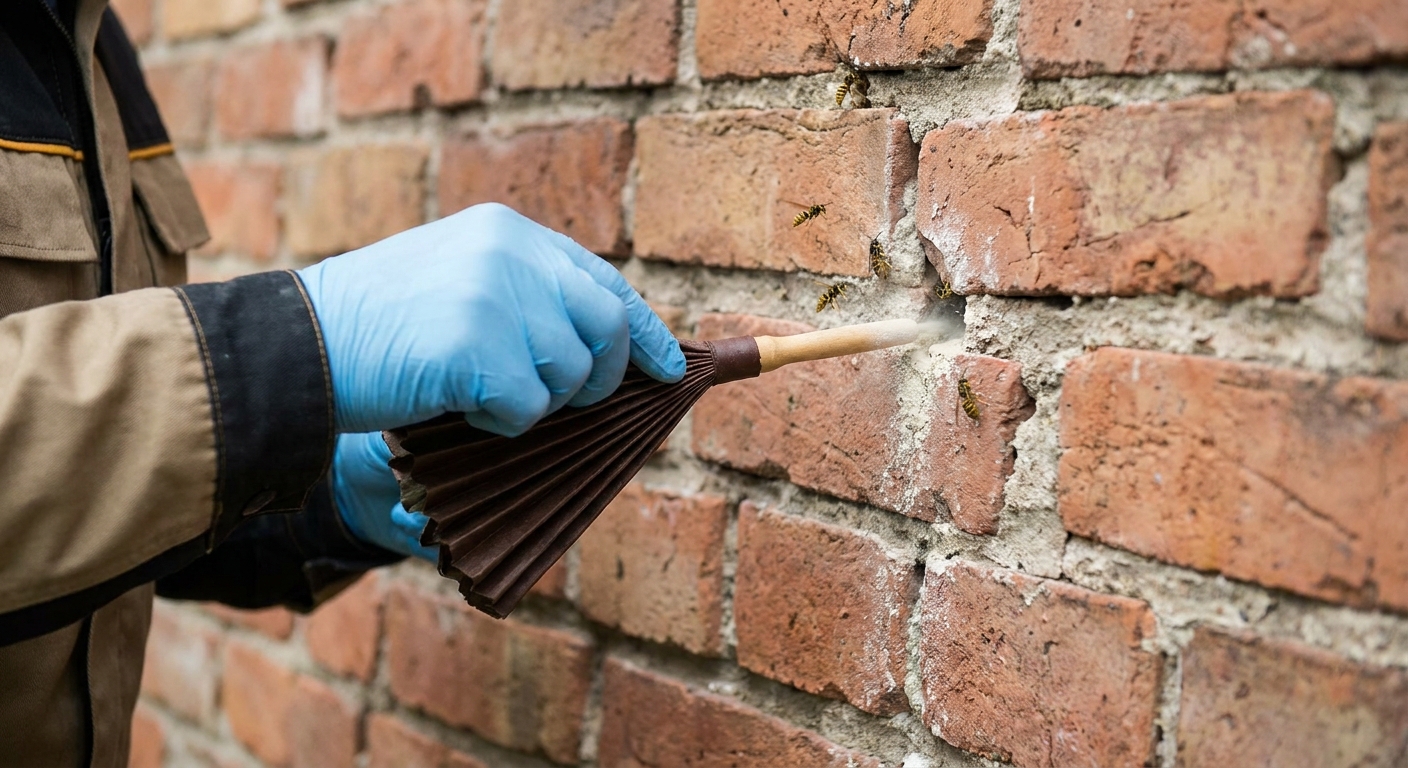
Eradicating a wasp colony requires precision, expertise, and the right professional-grade products. Depending on our diagnosis, our technicians perform targeted treatments designed to neutralize the entire colony, including the queen. We utilize federally registered and tested pesticides that are deemed highly effective and relatively safe when applied by our trained experts. For hidden nests in wall voids, we often apply specialized insecticidal dusts that worker wasps carry deep into the heart of the colony, ensuring total elimination. We are upfront about our procedures, and our technicians are trained to walk you through exactly how these treatments work, so you never have to blindly trust the process.
The Importance of Safe, Professional Nest Removal and Disposal
Leaving an inactive nest in place is a recipe for future problems, as it signals to new queens that the location is viable and can attract secondary pests like carpet beetles or rodents. However, removing a nest must be done with extreme caution. Our team utilizes proper personal protective equipment, including disposable booties to keep your home clean, and follows strict safety protocols to extract the nest intact. Once the colony is neutralized, we physically remove the structure, scrape away the attachment points, and clean the area to eliminate lingering pheromones. All dead pests and nesting materials are safely removed from the premises and disposed of according to strict environmental guidelines, leaving your property spotless and secure.
Exclusion Techniques: Sealing Entry Points to Prevent Future Infestations
Identifying Structural Vulnerabilities Around Eaves and Rooflines
Once the immediate threat is eliminated, the focus shifts to long-term prevention. Exclusion is the most critical step in stopping recurring wasp problems. During our diagnosis phase, we provide specific advice and recommendations regarding pest-proofing and structural repairs. We carefully inspect your eaves, rooflines, soffits, and fascia boards for any gaps, cracks, or rotting wood that could serve as an open door for a seeking queen. Even a gap as small as a quarter of an inch is enough for a wasp to squeeze through and establish a massive colony inside your structural voids.
Utilizing Professional-Grade Materials for Lasting Protection
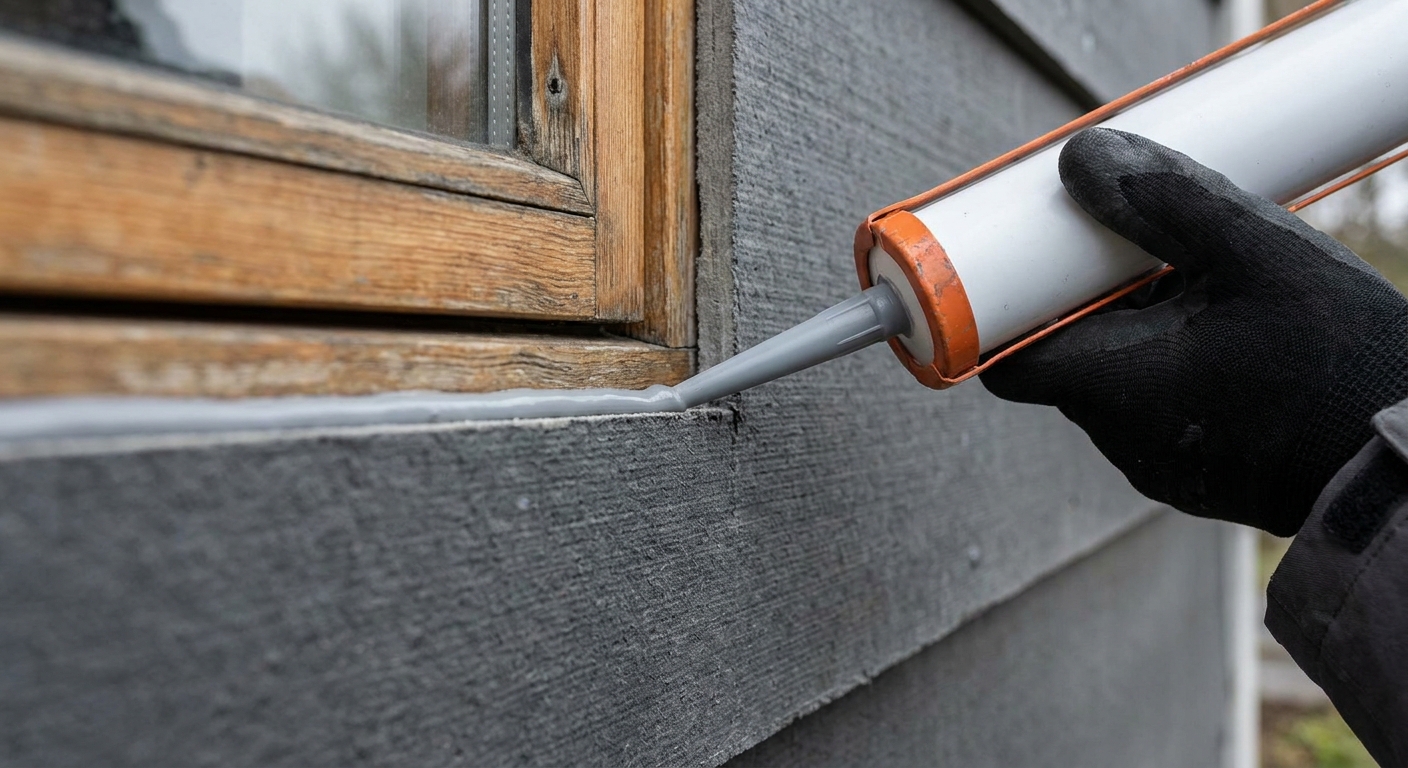
To ensure that wasps cannot breach your property defenses, we recommend and implement exclusion techniques using durable, professional-grade materials. This includes installing fine insect mesh over attic vents, applying high-quality, weather-resistant caulking to seal gaps around window frames and utility penetrations, and repairing damaged siding. By physically blocking access to the most attractive nesting sites, we force overwintering queens to look elsewhere. We protect your home like it is our own, and our family-owned business is so confident in our ability to keep stinging insects away that we promise to keep working with our clients until they are completely satisfied.

Seasonal Wasp Prevention Strategies for Your Property
Spring Inspections and Early Intervention Tactics
The battle against recurring wasps is won in the spring. As the weather warms, overwintering queens emerge from hibernation and immediately begin searching for a place to build their starter nests. By scheduling a comprehensive spring inspection, our team can intercept these queens before they have the chance to lay their first brood. Early intervention tactics involve treating high-risk areas, removing any rudimentary paper combs, and ensuring all exclusion measures are intact. Catching a nest when it is only the size of a golf ball prevents it from expanding into a dangerous, thousands-strong colony by late summer.
Fall Maintenance to Deter Overwintering Queens
Fall is an equally critical time for wasp prevention. As the primary colony dies off, newly fertilized queens seek out warm, sheltered crevices to survive the winter. If they find refuge inside your attic, wall voids, or under your siding, you are virtually guaranteed to face a severe infestation the following spring. Our fall maintenance strategies focus on securing the perimeter of your home, ensuring that no queens can breach your walls. We provide our clients with a dedicated preparation sheet and ongoing guidance to reduce attractants, ensuring that your property remains completely inhospitable to overwintering pests.
Conclusion: Securing Your Property Against Recurring Wasp Threats
Breaking the cycle of recurring wasp infestations requires more than just a temporary fix; it demands a deep understanding of wasp biology, meticulous inspections, and professional-grade eradication and exclusion techniques. At Pestcheck Services Limited, our dedicated team, from our friendly dispatch manager Julie Scott to our highly skilled technicians, is committed to delivering a completely bug-free home. With over fifteen hundred happy clients, a 4.9 out of 5 service rating, and a 98% treatment success rate, we have the expertise to protect your family and property. If you are tired of wondering Will They Come Back? How Professionals Stop Recurring Wasp Problems is a question we answer with permanent solutions. Contact us today to book your inspection and experience the peace of mind that comes with guaranteed, professional pest control.