


Few things surprise a new homeowner more than moving into a freshly built house and discovering spider webs in corners within days. The home is clean, the paint is fresh, and there are no obvious signs of pests—yet spiders appear seemingly from nowhere. This sudden spider activity is not random. It follows a predictable pattern tied to how new build homes are constructed and how the surrounding land is disturbed.
We see this pattern often when inspecting newly completed properties. Understanding why spiders suddenly appear in new build homes helps owners recognize the underlying causes and take the right action. Below, we break down the main reasons and the conditions that turn a brand-new home into an attractive spider habitat.
Construction Disturbance of Natural Habitats
Land Clearing Displaces Spider Populations
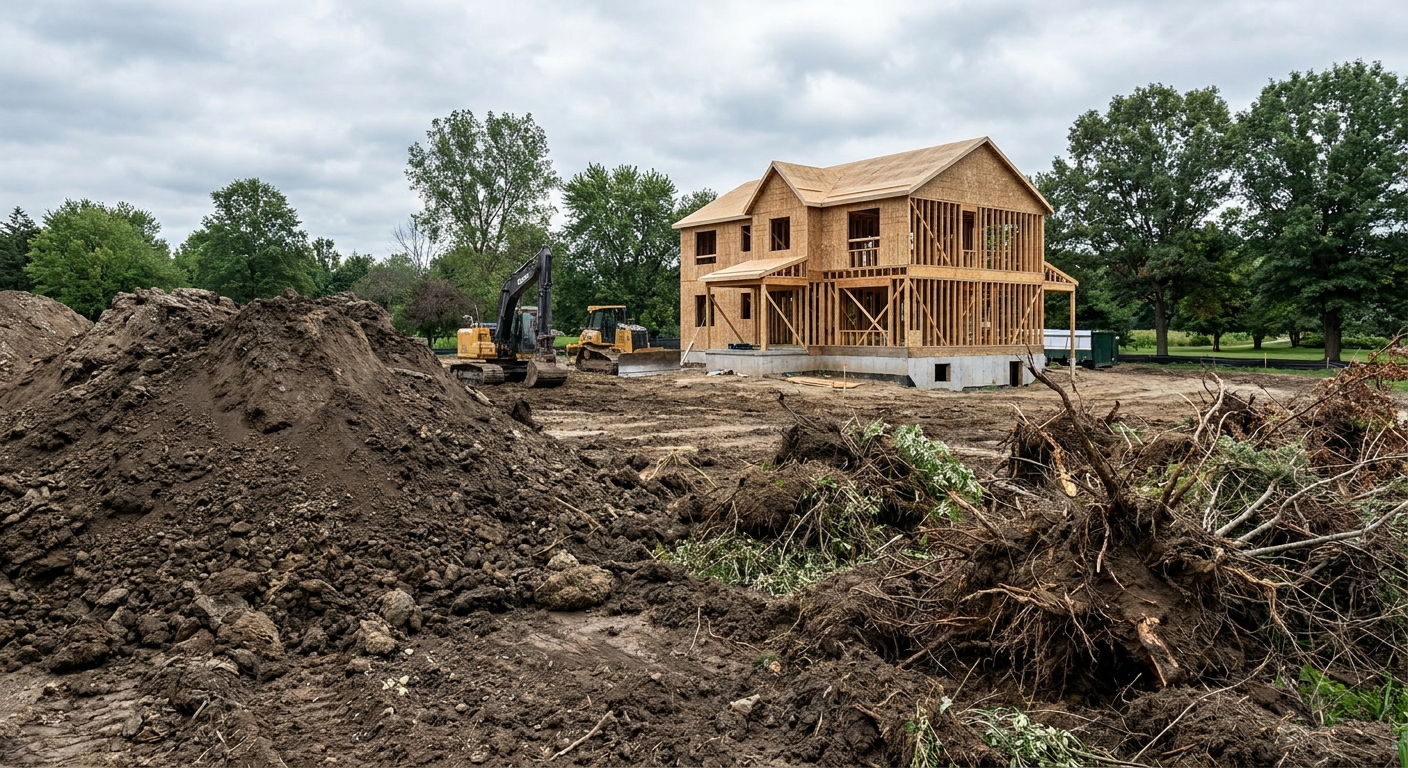
Before construction begins, the land is cleared of vegetation, topsoil, and debris. Spiders living in leaf litter, shrubs, and soil are displaced from their established webs and burrows. Many of these spiders do not travel far; they seek the nearest sheltered structure, which is often the partially framed home under construction. As walls go up and roofing is installed, these displaced spiders find their way into wall cavities, attics, and basements.
Timing of Displacement Matches Move-In Dates
Land clearing and grading can continue for months, but the final phase of construction—when doors, windows, and trim are installed—is when spiders are most likely to be sealed inside. If spiders entered during framing and insulation, they may remain hidden until the home is occupied. By the time new owners move in, a small resident spider population may already be established, explaining the sudden appearance of webs and egg sacs.
Gaps and Cracks in the Building Envelope
Common Entry Points in New Construction
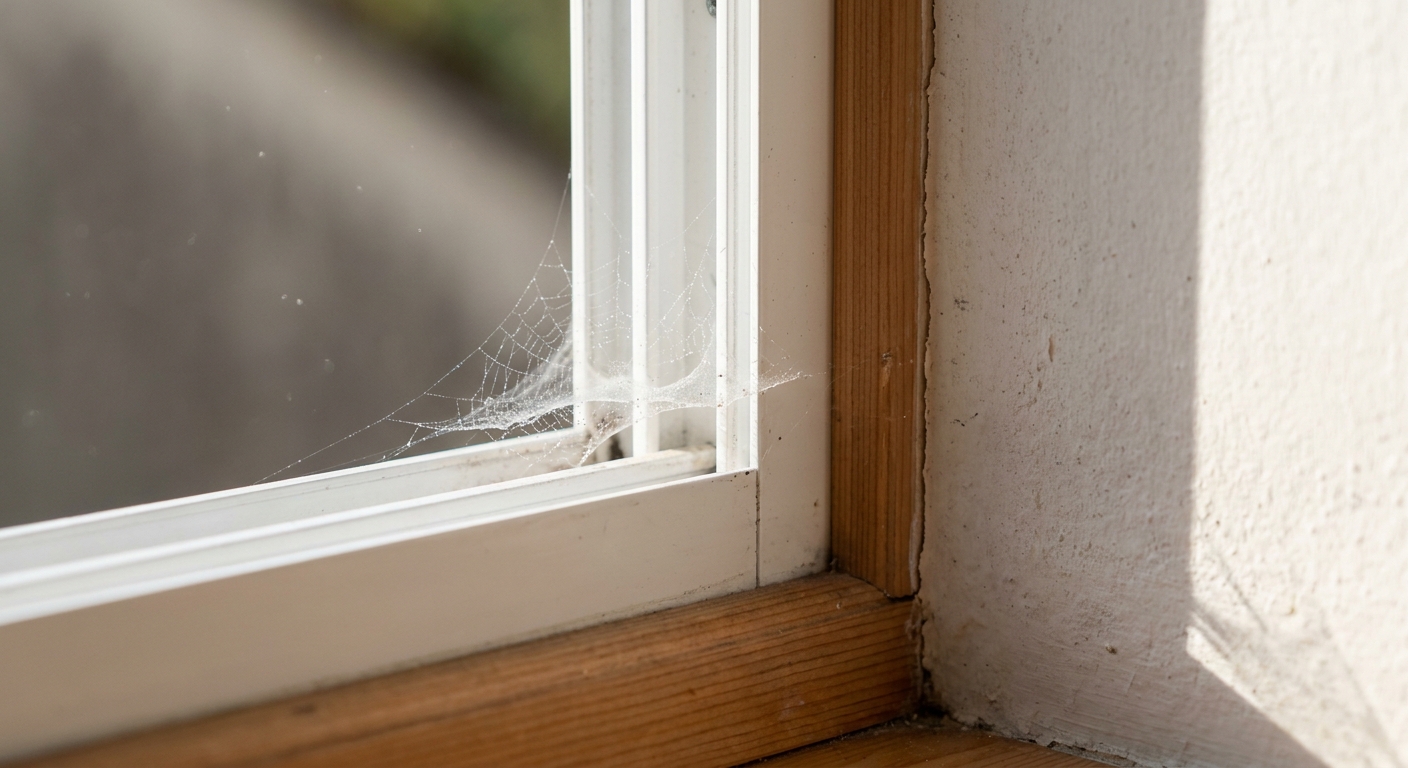
Even a meticulously built home has small openings that spiders can exploit. Common entry points include gaps around window and door frames, utility penetrations for plumbing and electrical lines, vents, and the joint between the foundation and sill plate. Spiders can squeeze through openings as narrow as a few millimeters, which is often smaller than the tolerance allowed in standard construction practices.
Settling and Construction Tolerances Create Gaps
New homes settle as the soil compacts and the building materials adjust to temperature and humidity changes. This settling can slightly open seams around windows and doors that were originally sealed tight. Additionally, construction tolerances—the acceptable variation in dimensions—can leave small gaps that are not visible during the final walk-through but are large enough for spiders to enter.
Landscaping and Site Conditions
Fresh Landscaping Materials Attract Insects
The topsoil, sod, mulch, and plants installed around a new build often contain insect eggs, larvae, and adult insects. Flies, gnats, and small beetles are drawn to fresh organic matter. These insects are the primary food source for many spider species. When landscaping is completed before or just after occupancy, it creates an immediate outdoor insect population that attracts spiders to the home’s exterior and then inside through gaps.
Drainage Issues Create Spider-Friendly Habitats
New construction may disturb natural drainage patterns, leading to areas of standing water or persistently damp soil near the foundation. Damp conditions support fungus gnats, springtails, and other moisture-loving insects. Spiders that feed on these insects often build webs in basement window wells, crawl spaces, and exterior corners where moisture accumulates.
Building Materials and Construction Methods
Wood Framing and Insulation as Spider Habitats
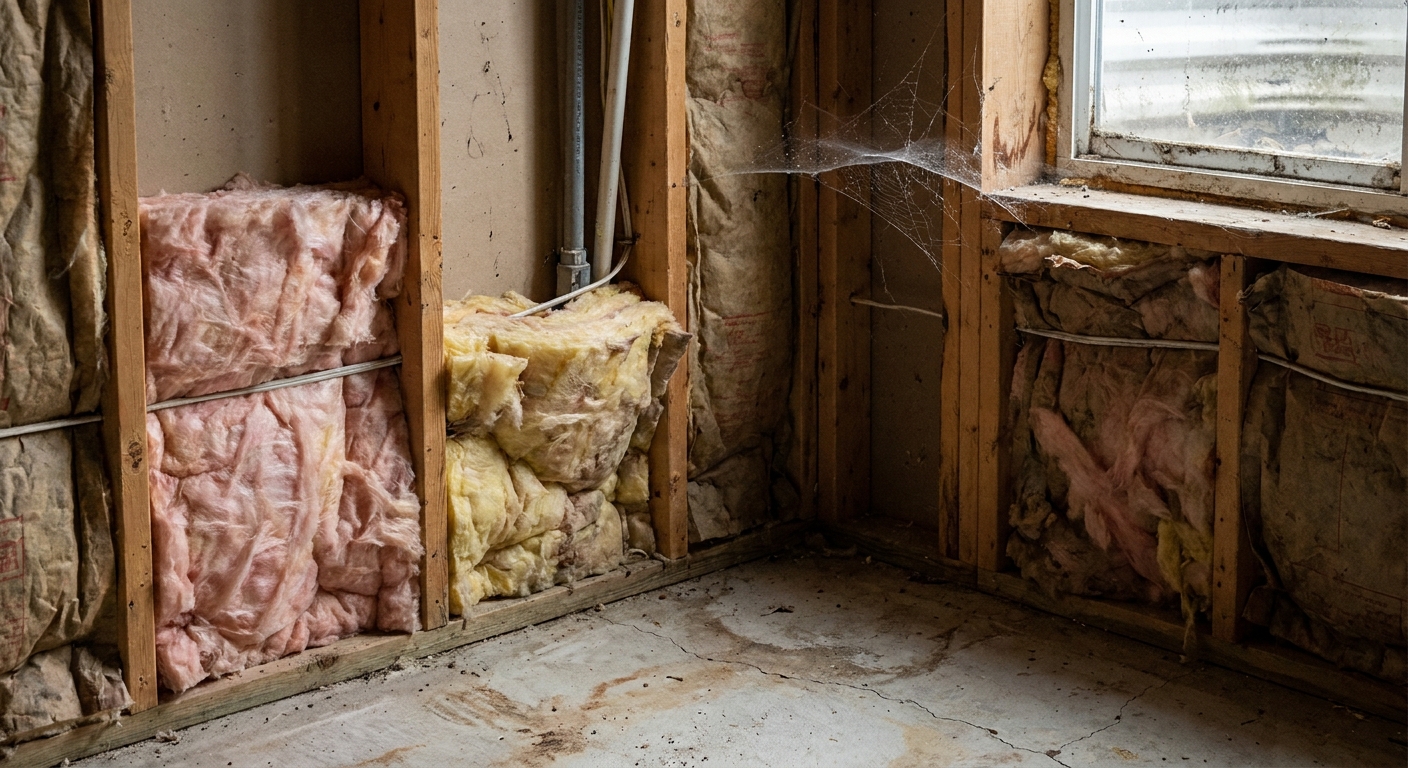
Wood framing provides countless small cracks, joints, and voids where spiders can hide. Insulation, especially fiberglass batts, offers soft, dark spaces that retain heat. During construction, spiders may enter these cavities and remain undisturbed. Once the home is enclosed, these hidden spiders can emerge into living areas through electrical outlets, recessed lights, and gaps around trim.
Voids and Unfinished Areas Provide Nesting Sites
Unfinished basements, crawl spaces, and attics in new builds are often left with exposed framing and minimal lighting. These areas are rarely cleaned during construction and accumulate dust, wood shavings, and dead insects, making them ideal nesting sites. Spiders can establish large populations in these voids before the owner even notices activity in finished rooms.
Moisture and Ventilation Issues
Effects of Rainy Climates on New Builds
In regions with frequent rain, new builds can retain moisture in framing lumber and sheathing if the structure was exposed to weather during construction. Even after the roof and siding are installed, residual moisture can take months to dissipate. Many insects, including spiders’ prey, are attracted to humid environments, so a damp new home becomes a magnet for pest activity.
Drying Out Process Attracts Insects
Fresh concrete, drywall compound, and paint release moisture as they cure. This off-gassing creates temporary microclimates of elevated humidity inside the home, particularly in basements and closets. Spiders do not need moisture themselves, but the insects they hunt do. As the home dries out, small flies and other insects may move toward the moisture sources, bringing spiders with them.
Lighting and Insect Attraction
Exterior Lighting Draws Flying Insects
New build homes often feature bright exterior lighting for security and curb appeal. These lights, especially those left on at night, attract moths, mosquitoes, and other flying insects. Spiders quickly learn to build webs near light fixtures, porch ceilings, and window frames where insect traffic is highest. Over time, this outdoor spider activity can lead to indoor infestations as spiders move through open doors or small gaps.
New Developments Lack Established Predators
In established neighborhoods, natural predators such as birds, lizards, and other insect-eating animals help keep spider populations in check. In a newly built area, these predators have not yet established territories. The absence of natural checks allows both insect and spider populations to grow quickly, leading to the sudden appearance of spiders in and around new homes.
Professional Solutions for Persistent Infestations
When spider activity persists despite regular cleaning and sealing efforts, the most effective step is to have a professional inspect the home for entry points, moisture issues, and hidden harborage areas. We protect your home like it’s our own and keep working until you are completely satisfied. When a new build has persistent spider activity, we inspect entry points, correct conditions, and apply targeted treatments. Contact us to schedule an inspection of your new home.