

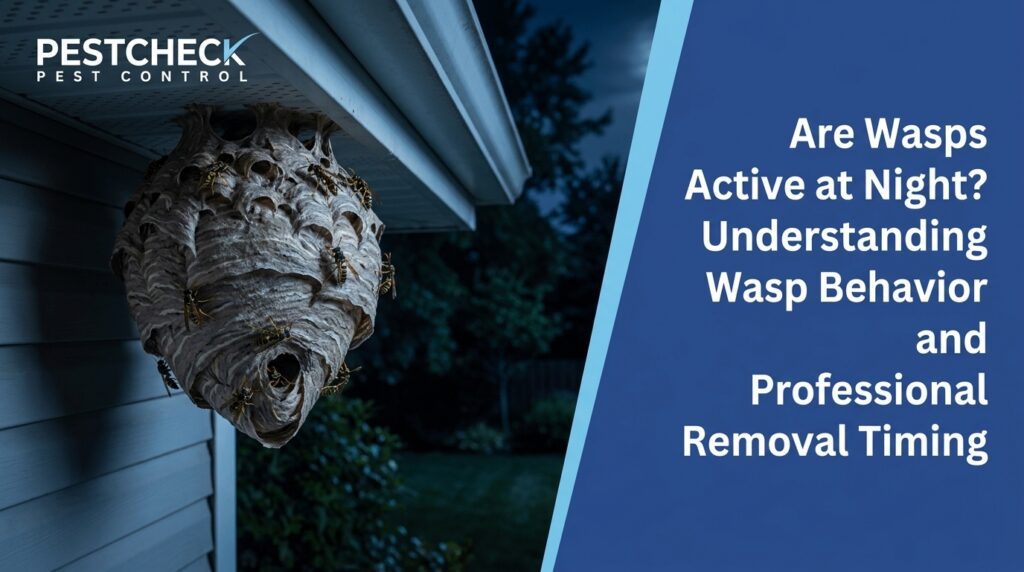
When dealing with stinging insects, one of the most common questions homeowners ask is: Are Wasps Active at Night? Understanding Wasp Behavior and Professional Removal Timing is essential for keeping your property safe. Unlike humans, wasps do not fall into a deep sleep when the sun goes down. Instead, they enter a state of reduced mobility and rest inside their nests. While you will rarely see them foraging or flying around your yard in the dark, they remain highly sensitive to vibrations, light changes, and disturbances.
Approaching a nest after dusk might seem like a safe idea, but a threatened colony will not hesitate to defend its home, regardless of the hour. Recognizing how these pests operate throughout the day and across different seasons is the first step toward effective eradication. By learning about their daily cycles and knowing exactly when to call in the experts, you can avoid painful stings and ensure a completely pest-free environment.
Are Wasps Active at Night? The Truth About Wasp Sleep Cycles
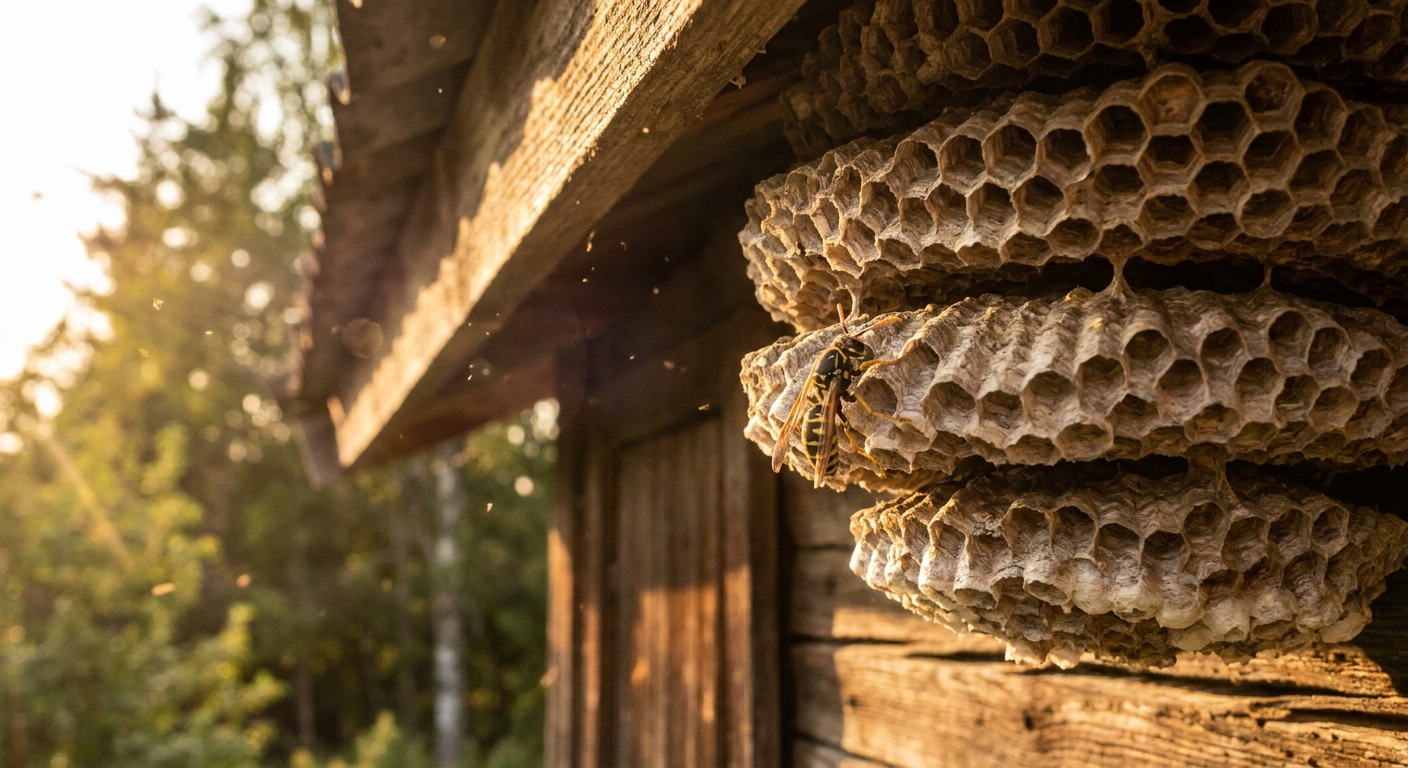
Wasps are primarily diurnal, which means their internal clocks are tied to the sun. Throughout the daylight hours, worker wasps are busy hunting for insects, gathering nectar, and collecting wood fibers to expand their nests. As dusk approaches and temperatures drop, they return to their colony to feed the larvae and perform internal nest maintenance. While they appear dormant, they do not sleep in the traditional sense.
Will a Wasp Sting You in the Dark?
Yes, a wasp will absolutely sting you in the dark if it feels threatened. Because their vision is limited at night, they rely heavily on other senses to detect danger. If you accidentally bump into a nest, shine a bright flashlight directly at it, or create loud vibrations nearby, the guard wasps will instantly alert the colony. Since wasps do not lose their stingers after a single strike, a nighttime swarm can result in multiple painful stings.
Exceptions to the Rule: Hornets and Nighttime Activity
While most standard yellow jackets and paper wasps stay inside after sunset, there are certain large hornet species that are notably active at night. These specific hornets are actually attracted to artificial light sources. It is not uncommon to find them buzzing around porch lights, illuminated windows, or outdoor floodlights. Because they share many aggressive traits with standard wasps, encountering them in the dark requires extreme caution.
Understanding Daily and Seasonal Wasp Activity Patterns
To fully grasp Are Wasps Active at Night? Understanding Wasp Behavior and Professional Removal Timing, it is helpful to look at how their activity levels fluctuate based on the time of day and the time of year. Temperature plays a massive role in their mobility.

Morning Sluggishness to Afternoon Peaks
During the early morning hours, particularly when the air is still cool, wasps are notably sluggish. They rely on the sun to warm their bodies before they can efficiently take flight. As the morning transitions into the afternoon, their activity levels peak. Between late morning and late afternoon, wasps are at their most aggressive and active states, rapidly flying between food sources and their nests.
Seasonal Wasp Behavior and Aggression Levels
Wasp behavior also changes dramatically with the seasons. In the spring, young queens emerge to establish new colonies, making them relatively docile as they focus entirely on building. By mid-summer, the colony population explodes, leading to increased foraging. However, it is during the late summer and early fall that wasps become highly aggressive. As their natural food sources deplete and the colony prepares for the colder months, they frantically search for sugary foods and proteins, bringing them into frequent conflict with humans.
Identifying Wasp Nests Around Your Property
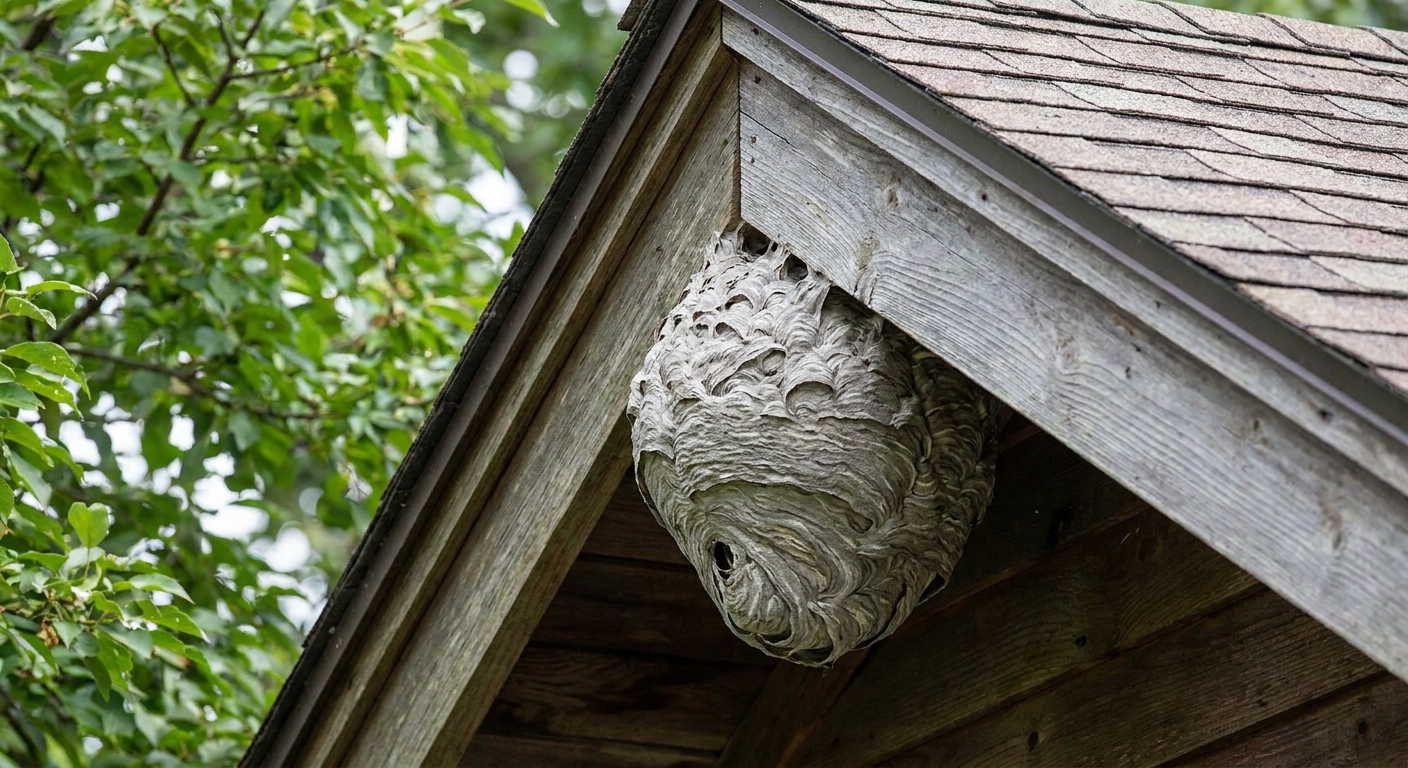
Before any professional intervention can take place, identifying the location and type of nest is critical. Wasps construct their homes from chewed wood fibers mixed with saliva, resulting in a distinctive grey or brown papery texture. Nests can be found hanging from tree branches, tucked under the eaves of your roof, hidden inside wall voids, or even buried underground in abandoned rodent burrows.
Signs of an active infestation include a high volume of wasps congregating in one specific area, visible papery structures, or a steady flight path of insects entering and exiting a small gap in your home’s exterior. If you notice wasps chewing on wooden deck railings or fences, they are likely harvesting materials for a nearby nest. Identifying these signs early allows for prompt professional intervention before the colony grows out of control.
The Safest Time for Professional Wasp Nest Removal
When considering Are Wasps Active at Night? Understanding Wasp Behavior and Professional Removal Timing, the schedule of eradication is a precise science. Professional exterminators carefully select the timing of their treatments to maximize safety and effectiveness. Typically, treatments are scheduled for the very early morning or late evening. During these cooler hours, the vast majority of the worker wasps have returned to the nest, ensuring that the entire colony is present for the eradication process.
Why Accidental Nighttime Nest Disturbances Are Highly Dangerous
Without professional training and specialized personal protective equipment (PPE), approaching a nest at night is a major safety hazard. Startled wasps will pour out of the nest in defense. Because visibility is poor, it is incredibly difficult to escape a swarm in the dark. Professionals utilize specialized lighting that does not agitate the insects, alongside targeted application methods that neutralize the threat instantly and safely.
Proactive Wasp Prevention Strategies for Homeowners
Keeping your property free of stinging insects requires proactive environmental management. By removing the things that attract them, you can significantly reduce the chances of a colony moving in.
- Seal Entry Points: Inspect your home’s exterior for cracks, unsealed vents, or gaps in the siding, and seal them to prevent wasps from nesting in wall voids.
- Manage Food and Waste: Keep outdoor garbage cans tightly sealed. Wasps are highly attracted to discarded food, especially sugary drinks and proteins.
- Maintain Landscaping: Trim back overgrown shrubs and tree branches where wasps prefer to build hanging nests. Promptly pick up any fallen, rotting fruit from yard trees.
- Limit Standing Water: Wasps need water to survive and cool their nests. Fix leaky outdoor faucets and ensure birdbaths are cleaned regularly.
Professional Wasp Control: Ensuring Safe and Effective Eradication
When a colony has established itself on your property, trusting the experts at Pestcheck Services Limited is the smartest choice for your family’s safety. For over 20 years, our family-owned and operated team has provided unparalleled pest management, maintaining a 98% treatment success rate and serving over 1,500 happy clients. Our leadership team, including Head Technician Stephen Scott, Manager Julie Scott, and our dedicated technicians Tayler, Cruz, and Kleber Alarcon, treat every property with the utmost care.
We are proud members of the National Pest Management Association (NPMA), Professional Women in Pest Management (PWIPM), and Women in Pest Control. Our QualityPro Certified team follows a strict, proven process to eliminate your wasp problems:
- Step 1 – Contact Us: Our dispatch team answers your questions and books your appointment, sending a confirmation email 24 hours prior with a precise 30-minute arrival window.
- Step 2 – Inspection: A licensed technician conducts a thorough property inspection to locate all nests and entry points.
- Step 3 – Diagnosis: We provide clear recommendations and outline a customized treatment plan.
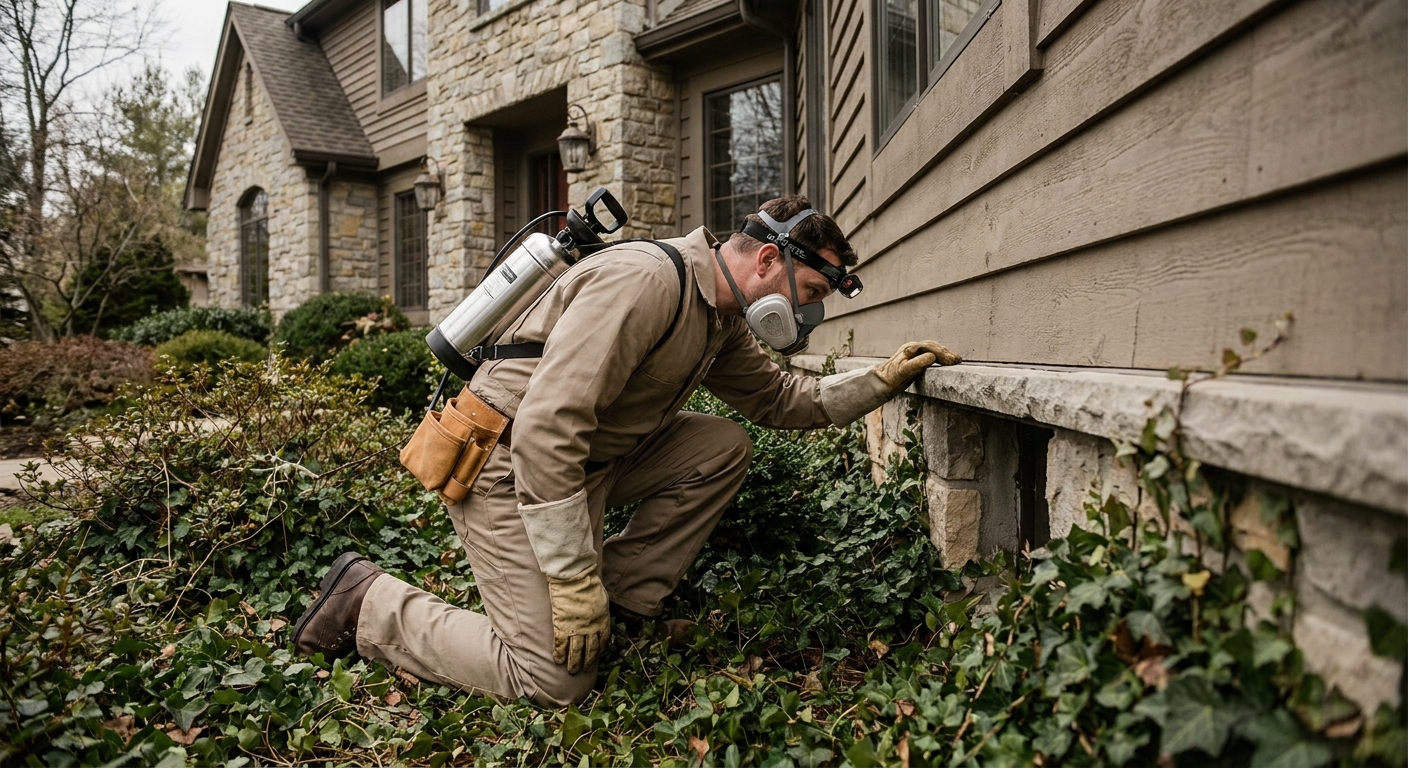
- Step 4 – Treatment: Using registered, highly tested products, we safely eradicate the colony. We use full PPE, including disposable booties, to protect your home’s interior, and we completely remove all dead pests from the premises.
Choosing us means choosing peace of mind. We offer exactly what our clients need: 1. Pet-safe and eco-friendly treatment options; 2. Fully licensed and background-checked technicians; 3. Upfront transparency; 4. A commitment to environmental stewardship; 5. Guaranteed safe removal of all dead insects; 6. Reliable communication with 24-hour advance notices; 7. Cleanliness through PPE and booties; and 8. Health-registered products. We boast a 4.9 out of 5 service rating, a 99% first-visit eradication rate, and have safely removed over ten thousand wasp nests. Most importantly, we protect your home like it is our own. We are so confident in our ability to keep insects away that we promise to keep working with you until you are completely satisfied. Don’t let stinging pests take over your yard—rely on our decades of experience to restore your safe, bug-free home.