

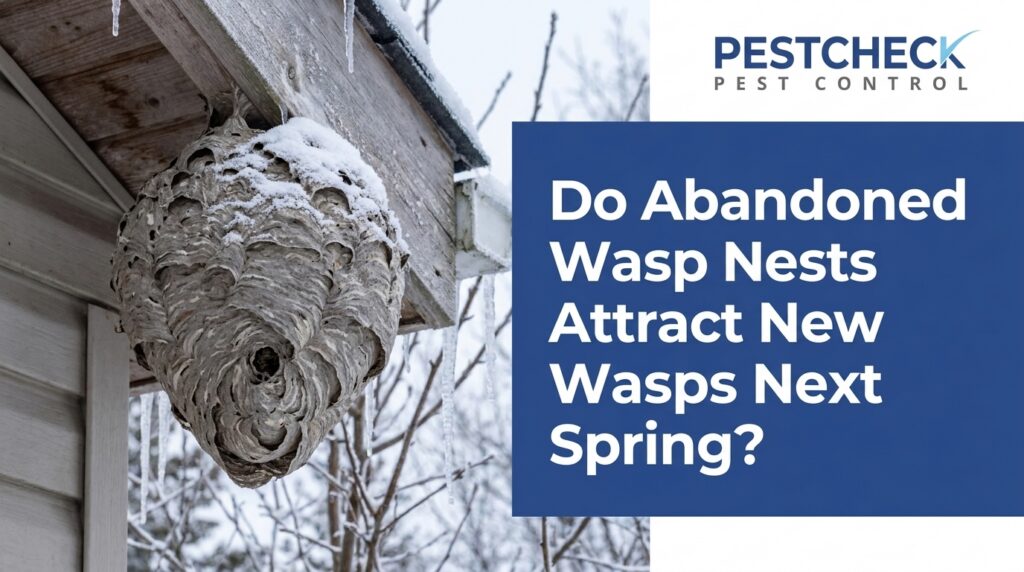
If you are staring at a grey, papery shell hanging from your eaves during the cold months, you might be wondering: do abandoned wasp nests attract new wasps next spring? The short answer is no. Wasps do not reuse old nests. Once the freezing temperatures arrive, the worker wasps perish, and the surviving queens abandon the structure to seek sheltered hibernation spots elsewhere. That specific nest is officially retired and will never be inhabited by a wasp colony again.
However, while the old nest itself does not act as a magnet for new wasps, leaving it up can still cause problems. The same environmental factors that made your property attractive to the previous colony will likely draw new queens when the weather warms up. As a family-owned pest control company with over twenty years of experience, we have safely removed countless inactive nests and helped property owners understand exactly how wasp lifecycles impact their homes.
Do Abandoned Wasp Nests Attract New Wasps Next Spring?
The Myth of Nest Reuse
It is a common misconception that a surviving wasp colony will return to its previous home once the weather warms up. In reality, paper wasps and hornets instinctively build new structures every single year. Stephen Scott, our owner and head technician who has been working in the pest control industry since 2000, frequently explains to our clients that wasps avoid old nests to protect their new colonies from the diseases, parasites, and structural degradation that accumulate in abandoned hives.
What Actually Happens to the Old Structure
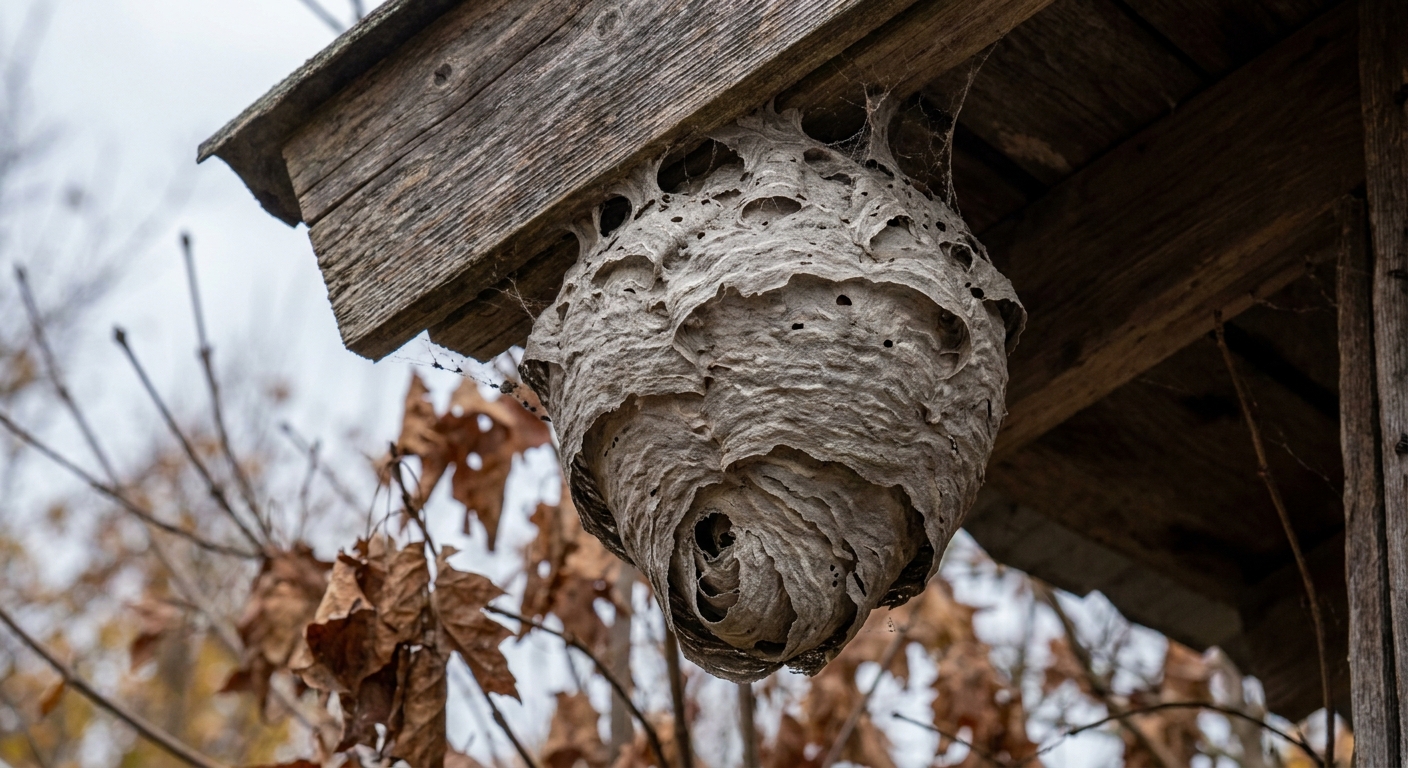
Once a nest is completely empty, it begins to slowly decay. Wasp nests are constructed from chewed wood fibers mixed with saliva, essentially creating a fragile paper shell. Left exposed to winter moisture and harsh winds, the structure will eventually crumble and fall apart. However, before it completely disintegrates, this vacant paper shell remains attached to your property, potentially causing secondary issues if left unmanaged.
Understanding the Wasp Lifecycle: Where Do They Go in Winter?
The Fate of the Worker Wasps
To understand why nests are left behind, it helps to look at the seasonal life cycle of a wasp colony. As autumn approaches and temperatures drop, the natural food sources that wasps rely on become scarce. During this time, the original queen, the male drones, and all the worker wasps reach the end of their life cycle and naturally perish. By the time winter truly sets in, the once-bustling nest is entirely lifeless.
How Queens Survive the Cold
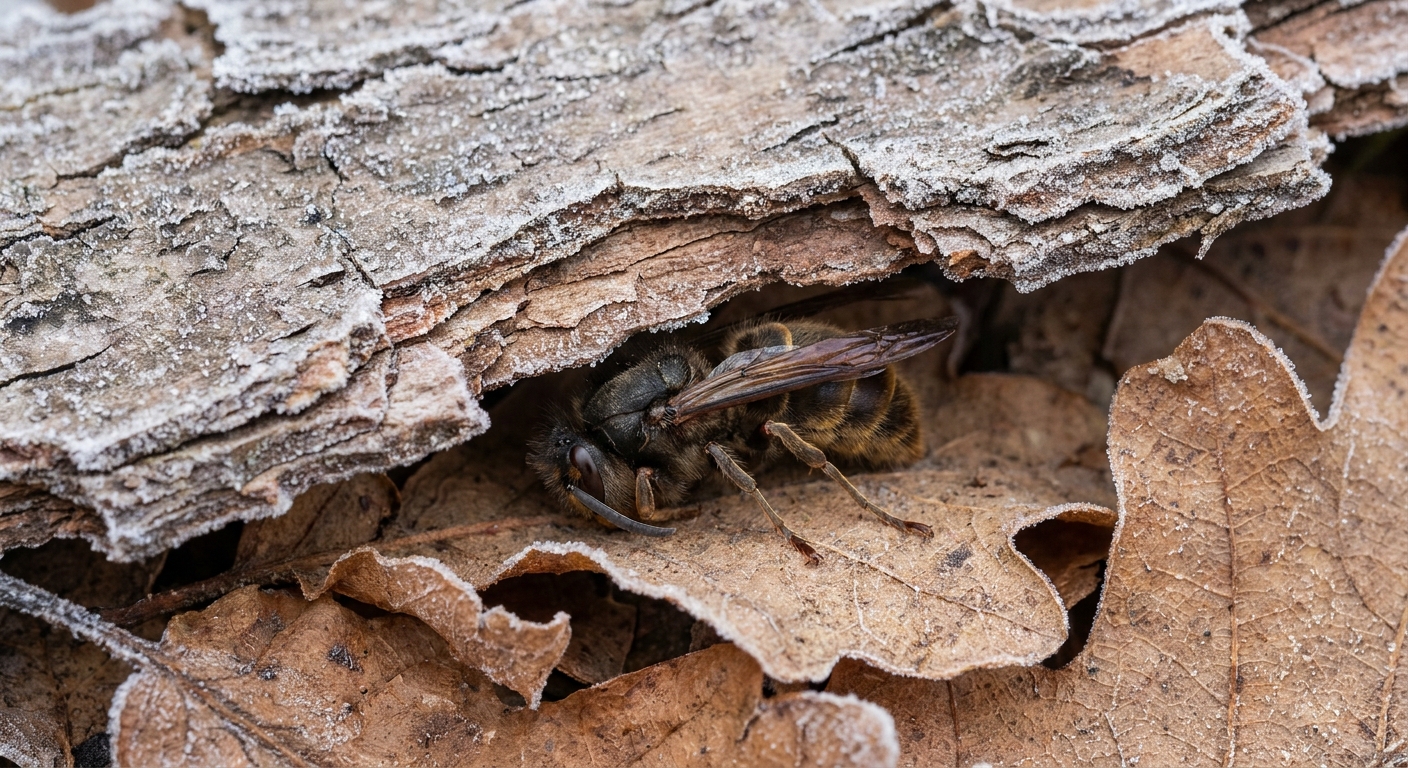
The only members of the colony that survive the winter freeze are the newly mated queens. These fertile queens do not stay in the old nest. Instead, they seek out tight, insulated crevices to hibernate safely. You might find them overwintering under tree bark, inside rotting logs, or tucked into the structural gaps of your home. When spring arrives, these queens emerge from hibernation, completely ignoring the old nest, and begin searching for a fresh location to build a brand-new colony.
Why Wasps Return to the Same Areas on Your Property
Ideal Shelters and Structural Vulnerabilities
If the old nest does not draw them back, why do you keep seeing wasps in the exact same spots every year? The answer lies in your property’s environment. If a specific corner of your roof, attic, or garden shed provided the perfect combination of shelter, warmth, and protection for last year’s colony, it will look just as appealing to a new queen this spring. Wasps are incredibly adept at finding structural vulnerabilities, which is why identifying and sealing these entry points is a critical part of our professional pest management process.
Environmental Factors That Attract Queens
Beyond physical shelter, environmental attractants play a massive role in where new queens decide to build. Properties with abundant food sources, such as uncovered waste bins, fallen fruit, or high populations of other insects, act as beacons for foraging wasps. Additionally, stagnant water in birdbaths or poor drainage systems provides the hydration they need to process wood fibers into nest-building materials. Removing these attractants is essential for long-term prevention.
Can Empty Wasp Nests Attract Other Pests?
Spiders and Overwintering Insects
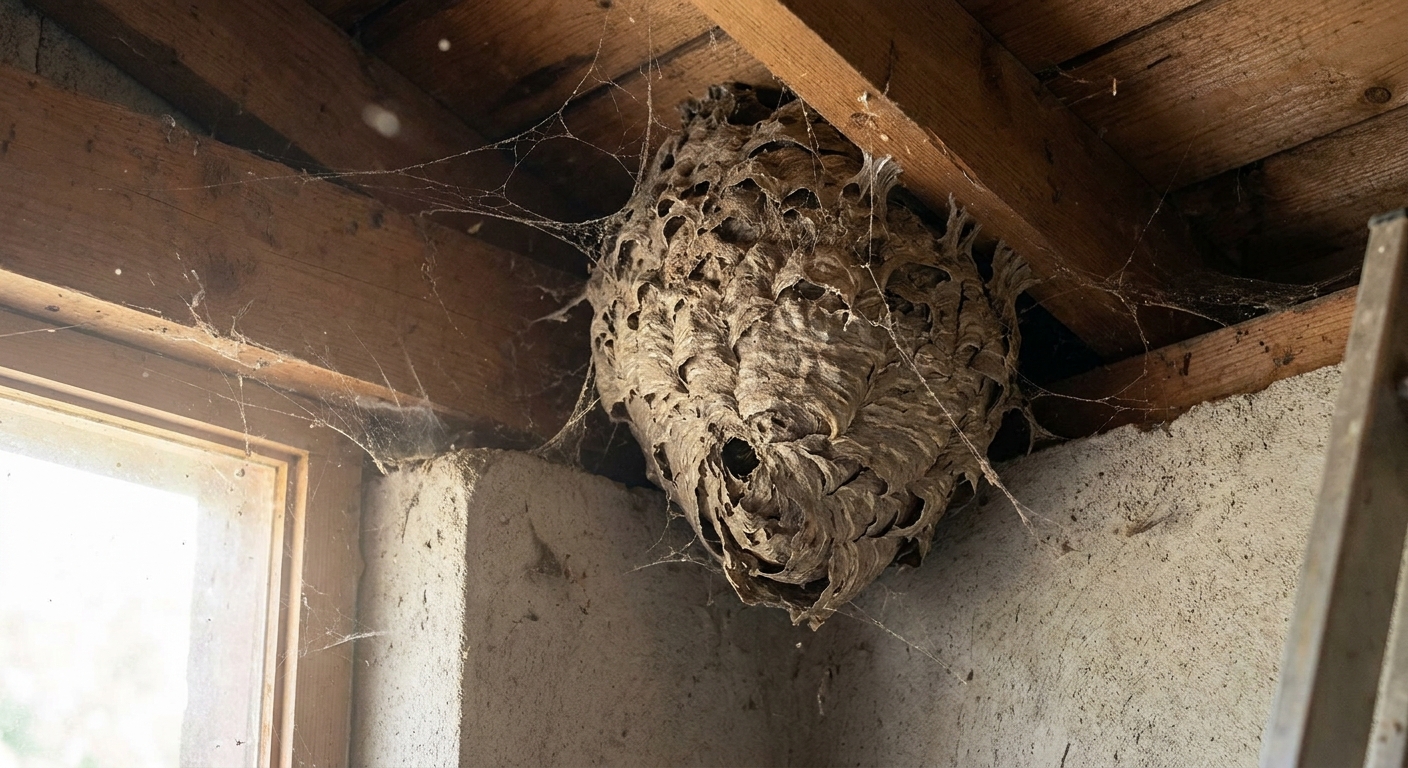
While the primary keyword question—do abandoned wasp nests attract new wasps next spring?—is answered with a no, the empty nest can absolutely attract other unwanted guests. The sturdy, insulated paper structure makes an excellent winter retreat for various overwintering insects. It is incredibly common to find an old wasp nest completely overrun by spiders or beetles seeking refuge from the freezing temperatures.
Rodents Seeking Nesting Materials
Insects are not the only pests interested in the abandoned structure. Mice and rats frequently scavenge old wasp nests, tearing the dry paper apart to use as warm insulation for their own nests. Leaving a wasp nest attached to your home can inadvertently support a growing rodent population nearby. With a ninety-eight percent treatment success rate across all our services, our team knows firsthand that eliminating one pest’s leftovers is crucial to preventing another pest from moving in.
The Pros and Cons of Leaving an Inactive Wasp Nest
Aesthetic and Property Maintenance Concerns
From a purely visual standpoint, an old wasp nest is an eyesore. As it degrades, pieces of the papery material will flake off, creating a mess on your patios, walkways, or garden beds below. Property maintenance is about keeping your home clean and secure, and leaving a decaying insect structure attached to your eaves goes against those goals. We always advocate for a clean, well-maintained exterior to deter future pest activity.
Potential Fire Hazards in Enclosed Spaces
One of the most overlooked risks of an abandoned nest is its flammability. Because the nest is composed entirely of dry, chewed wood fibers, it acts like highly combustible tinder. If a nest was built inside an enclosed space, near outdoor lighting fixtures, or close to electrical wiring, it poses a legitimate fire hazard once it dries out completely over the winter. Removing it safely eliminates this hidden danger.
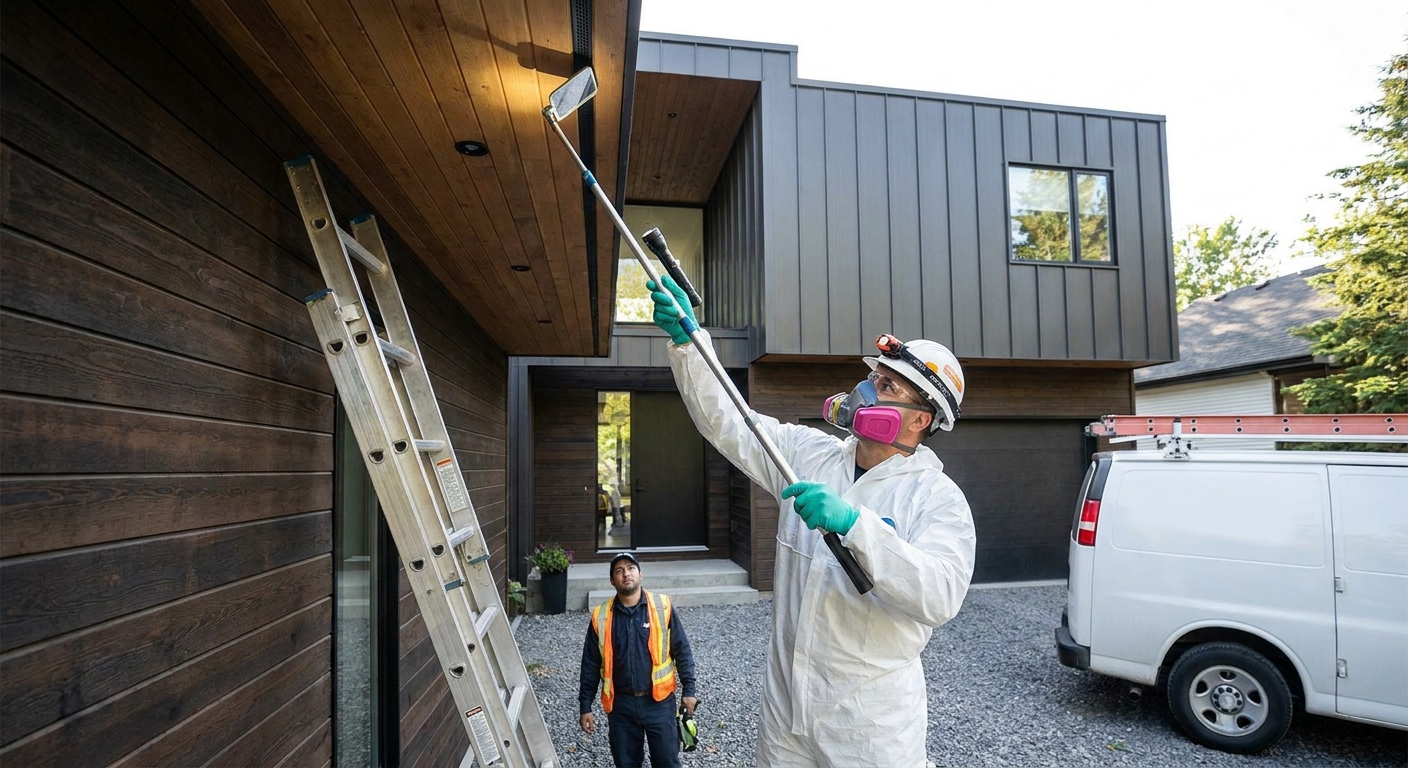
Preventing New Wasp Nests Next Spring
Securing Property Vulnerabilities Before Spring
The best time to stop a spring wasp infestation is before the new queens emerge from hibernation. This means addressing the structural and environmental factors that make your home appealing. As a QualityPro certified company and active members of the National Pest Management Association, Professional Women in Pest Management, and Women in Pest Control, we adhere to the highest industry standards for preventative care. We recommend focusing on the following preventative measures:
- Seal all entry points: Inspect your eaves, rooflines, and siding for small gaps.
- Manage waste securely: Ensure all outdoor bins have tight-fitting lids.
- Eliminate standing water: Fix leaky outdoor faucets and clear drainage systems.
Professional Inspections and Nest Management
When you partner with Pestcheck Services Limited, you are choosing a team dedicated to your peace of mind. Our proven four-step process begins with you contacting us, followed by a comprehensive inspection, a detailed diagnosis, and a customized treatment plan. Our owners, Stephen and Julie Scott, alongside our skilled technicians Tayler, Cruz, and Kleber, treat your home like our own. We provide exactly eight core benefits to our customers: pet-safe and eco-friendly treatment options, family-owned and operated care, over twenty years of industry experience, QualityPro Certification, a ninety-eight percent treatment success rate, a 4.9 out of 5 service rating, the trust of over 1500 happy clients, and an unwavering customer commitment to keep working until you are completely satisfied. We are upfront with our communication—sending an email twenty-four hours prior to your appointment with a thirty-minute arrival window, and always wearing disposable booties to keep your home clean while removing all dead pests from the premises. Reach out to our team today to ensure your property remains safe and pest-free all year long.