

How Long Does It Take for Wasps to Disappear After a Professional Treatment? The honest answer is that most wasps die within minutes of direct contact with the treatment, but the entire nest rarely goes silent that quickly. Foraging workers often return later and walk over treated surfaces, so some activity is normal for up to 48 hours.
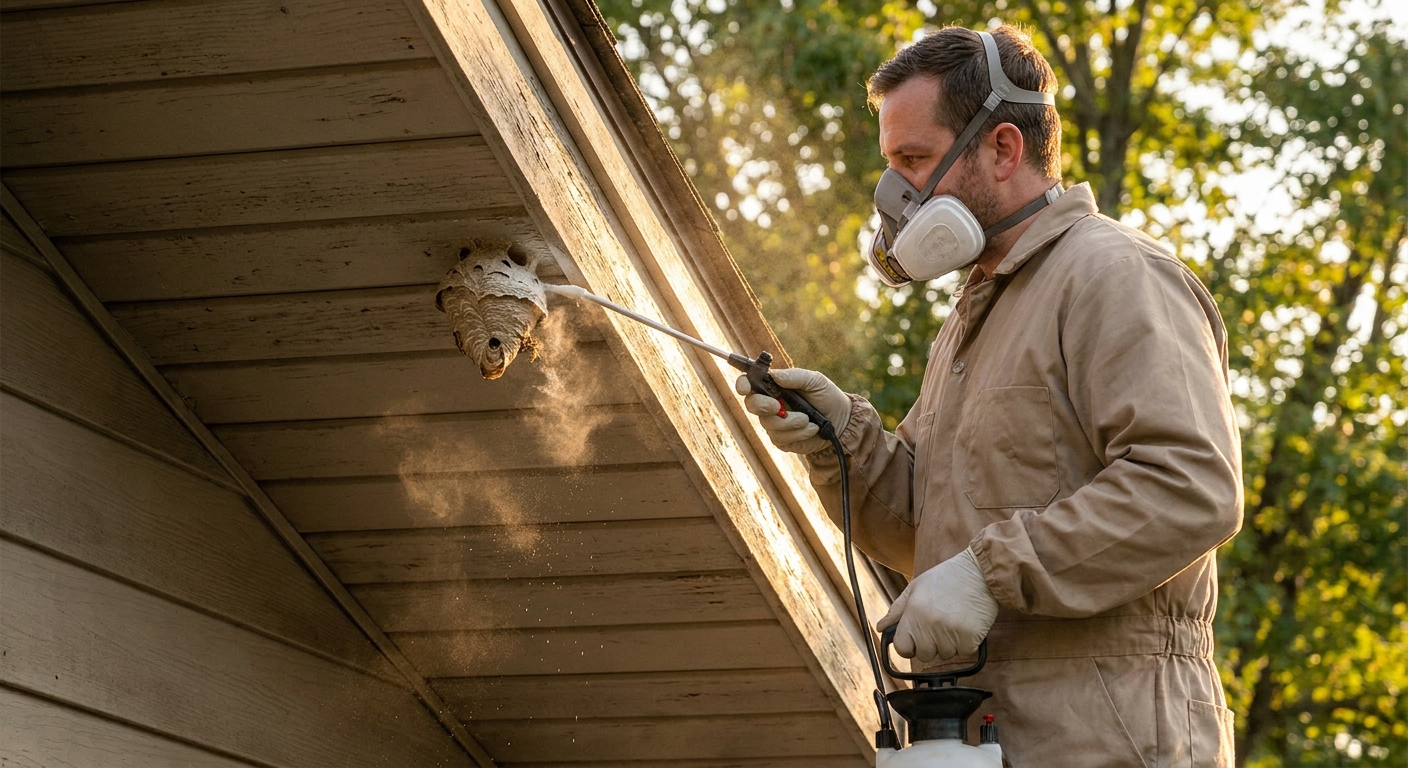
The key expectation is this: a professional wasp treatment is designed to eliminate the colony, not just the wasps you see at the moment of application. We apply the product directly to the nest entry point so returning wasps carry it into the inner structure. This means you may still see a few wasps for a day or two, but the colony itself is dying off.
What Happens Immediately After Treatment?
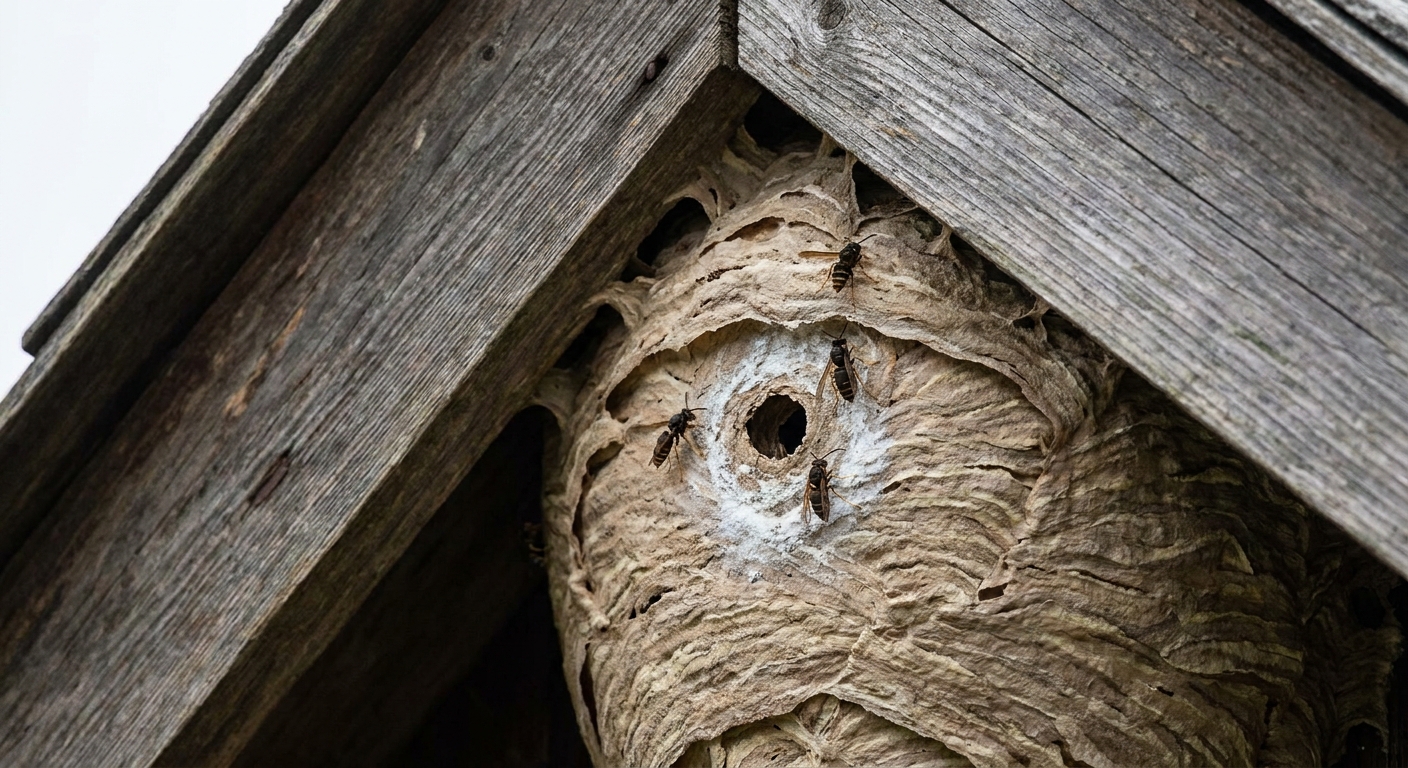
Within 15 minutes of contact, wasps that receive a direct dose typically begin to die. The insecticide has a delayed effect so that exposed wasps can return to the nest and spread the active ingredient to others, including the queen and larvae. This is why activity around the nest entrance can appear to continue briefly after the treatment is applied.
If the nest is large and busy, we expect a few hours for most foraging wasps to return and come into contact with the treated area. Each returning wasp adds to the contamination inside the nest. The colony is being knocked down even before the visible numbers drop to zero.
How Long Does It Take for Wasps to Disappear After a Professional Treatment?
For most nests treated during the warmer months, complete elimination takes between 24 and 48 hours. By the second morning, the nest entrance is usually quiet, and no new wasps are emerging. This is the window we use as a benchmark for a successful treatment.
Some wasps that were away from the nest during treatment may return later, but they will land on the treated surface and die shortly after. A small number of stragglers on the first evening is not a sign of failure.
Why Are Wasps Still Active After Treatment?
It is common to see wasps around the nest for a day or two. These are almost always returning foragers that missed the initial application. Because the nest entry is treated, they pick up the insecticide as they pass through and die within minutes to hours. You are watching the last members of the colony, not a rebound.
Do not attempt to remove the nest or plug the entry during this period. Blocking the opening can trap live wasps inside and force them to find an alternative exit inside your home. Let the treatment work through the colony.
Factors That Influence How Quickly Wasps Disappear
- Nest size and population. A small paper wasp nest with a dozen workers will go quiet faster than a mature yellowjacket nest with several thousand members.
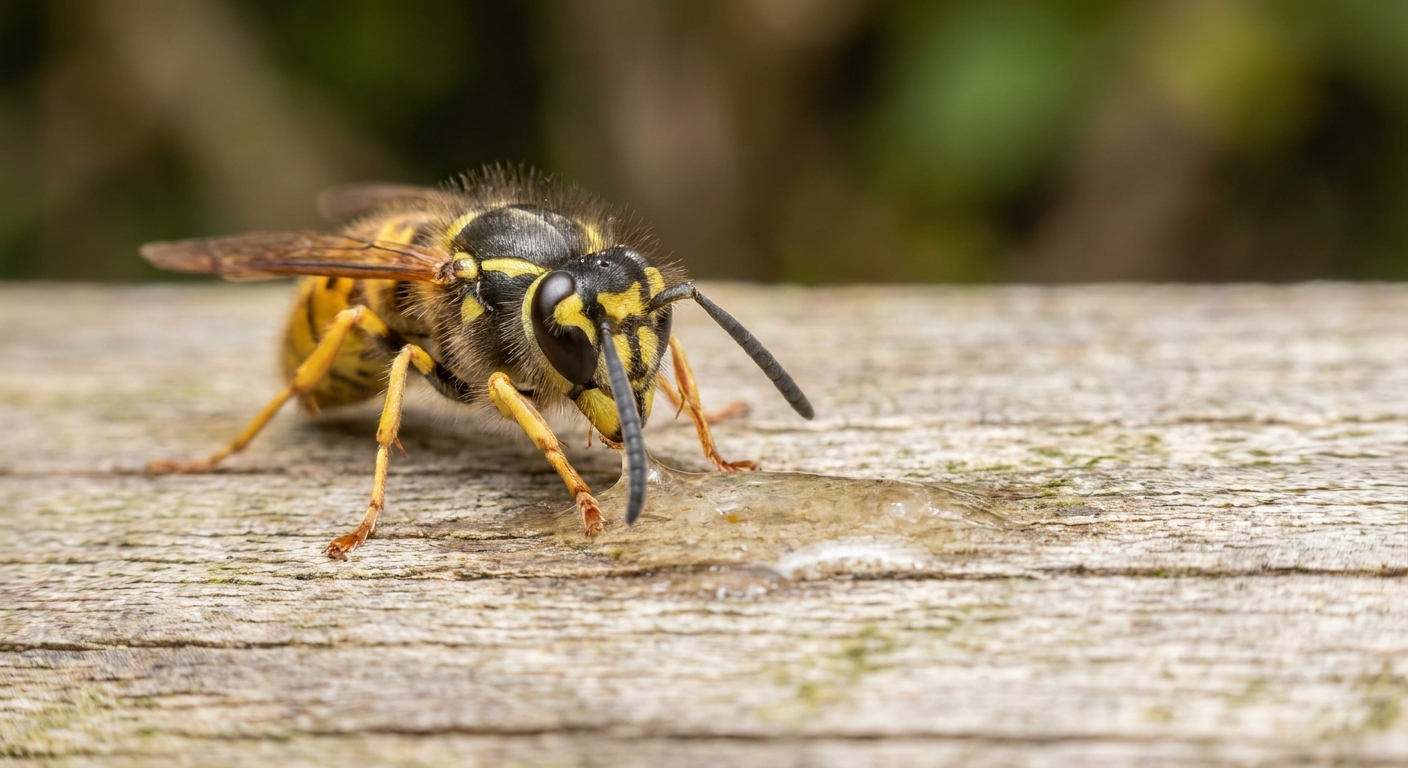
- Wasp species. Some species are more sensitive to the active ingredient, and larger-bodied wasps may take slightly longer to succumb.
- Location of the nest. Nests in enclosed cavities like wall voids can hold insecticide longer, but they may also release a few wasps over a longer period as they find their way out.
- Time of year. Cooler temperatures slow wasp metabolism, which slows the absorption of the insecticide and extends the timeline.
- Product placement. A direct dusting into the nest entry works faster than a perimeter spray that relies on wasps crossing a treated zone.
Seasonal Differences in Wasp Treatment Effectiveness
In July and August, wasp metabolism is high, and the colony is actively foraging. Treatment at this time usually produces dead wasps within hours and a silent nest within a day or two. In autumn, as temperatures drop, wasps become less active and their bodies process the insecticide more slowly. It is not unusual for a nest treated in October or November to take 10 to 20 days to die off completely.
This does not mean the treatment failed. The wasps are dying, just at a slower pace because of the cooler conditions. We adjust our expectations accordingly and monitor the nest over a longer period before considering a re-treatment.
What to Expect in the Days Following Treatment
Day one: You may see a few wasps near the nest, and some may fly slowly or appear disoriented. This is the insecticide working. By evening, activity should be noticeably lower than before treatment.
Day two: The nest should be quiet for most of the day. A single returning forager is possible, but it should die shortly after landing. If you see more than a handful of live wasps entering and leaving the nest, contact us.
Day three and beyond: No new wasps should be emerging. The nest is dead, and the remaining structure can be left in place or removed once all activity has stopped. We remove dead pests and dispose of them properly as part of our service.
Our technicians have treated wasp nests for over 20 years, and we expect a 98 percent first-visit success rate on summer nests. That means the timeline above reflects what we see in the vast majority of cases.

When to Contact Your Pest Control Professional
If significant wasp activity continues past 48 hours in summer, or if you see more than a few wasps entering and leaving the nest after three days, call us. In cooler months, we may agree on a longer observation window, but any live wasps after three weeks would prompt a follow-up visit.
Keep a simple note of when you see wasps and how many, so we can assess whether a re-treatment is needed. A second application is rarely required, but if it is, we will return and treat the same nest again under our service commitment.
If you have already treated a nest with a store-bought product and then called us, let the technician know. The presence of another insecticide can affect how the professional product behaves, and we need to account for that before proceeding.
If you are waiting for wasps to disappear after a professional treatment and the timeline feels off, reach out. We can review the nest remotely or schedule a quick revisit to put your mind at ease.