

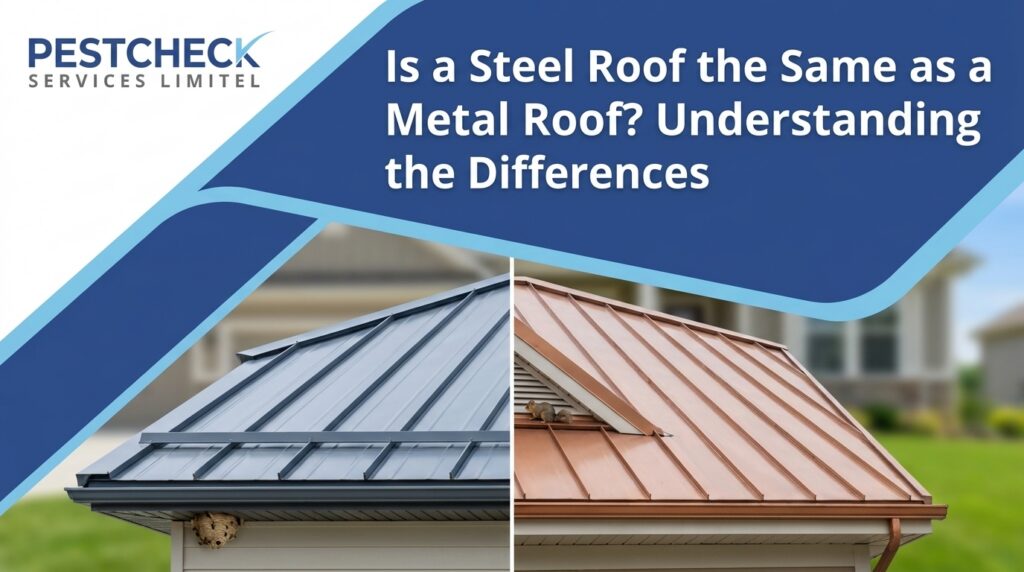
When property owners ask us, “is steel roof the same as metal roof?” the short answer is that while every steel roof is a metal roof, not every metal roof is made of steel. Metal roofing is simply an umbrella category that encompasses a variety of materials, with steel being just one specific option within that broader group. Understanding this distinction is crucial for making informed decisions about your property’s exterior defense.
While you might wonder why a pest control company is discussing roofing materials, the reality is that the top of your home is your first line of defense against both the elements and invasive wildlife. Our team spends countless hours inspecting rooflines, eaves, and attics to identify exactly how insects and rodents breach a building’s envelope. A secure, well-installed roof is essential to keeping pests out, and we have seen firsthand how different materials perform over time.
Is Steel Roof the Same as Metal Roof? Understanding the Terminology
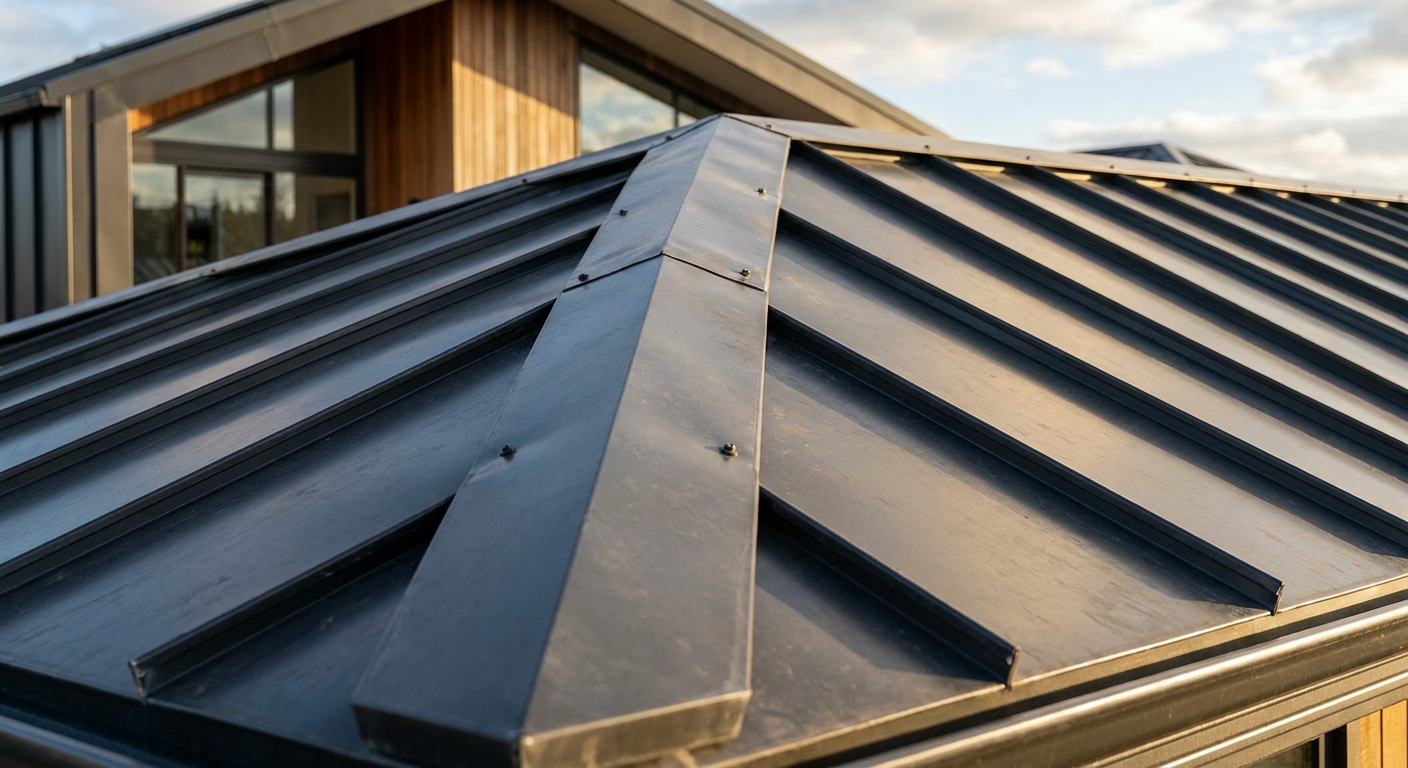
To directly answer the question—is steel roof the same as metal roof?—we must look at how the terms are used in the construction and home improvement industries. “Metal roofing” refers to any roofing system manufactured from metallic materials. It is a broad classification that dictates the style and general properties of the roof but does not specify the exact elemental composition.
Steel, on the other hand, is a specific alloy made primarily of iron and carbon. Because steel is the most commonly installed type of metal roof on residential and commercial properties, people often use the terms interchangeably. However, assuming they are identical can lead to confusion when comparing durability, weather resistance, and vulnerability to pest intrusions.
Exploring the Materials: Steel and Beyond
What Exactly is a Steel Roof?
A steel roof is a highly durable, weather-resistant structural covering system engineered from manufactured steel sheets or tiles. Unlike some naturally corrosion-resistant metals, raw steel is susceptible to rust when exposed to moisture. To combat this, steel roofing panels are treated with protective metallic coatings. The most common treatments are galvanized (coated with zinc) or galvalume (coated with a zinc-aluminum alloy). These protective layers significantly extend the lifespan of the steel, preventing oxidation and maintaining structural integrity over decades.
Other Common Types of Metal Roofs: Aluminum, Zinc, and Copper
If you opt for a metal roof that isn’t steel, you are likely looking at aluminum, zinc, or copper. Aluminum is highly prized for its lightweight nature and natural resistance to corrosion, making it a fantastic choice for areas with high atmospheric moisture or salt. Copper and zinc are premium metals that develop a protective patina over time, offering incredible longevity that can sometimes exceed a century.
Over our 20+ years of experience protecting homes, our team—led by owner Stephen Scott—has inspected countless properties featuring all these materials. We often find that regardless of the metal chosen, the smooth, impenetrable surface of a solid metal roof provides an outstanding barrier against rodents and nesting insects, provided the installation is flawless.
The Key Benefits of Choosing a Steel Roof
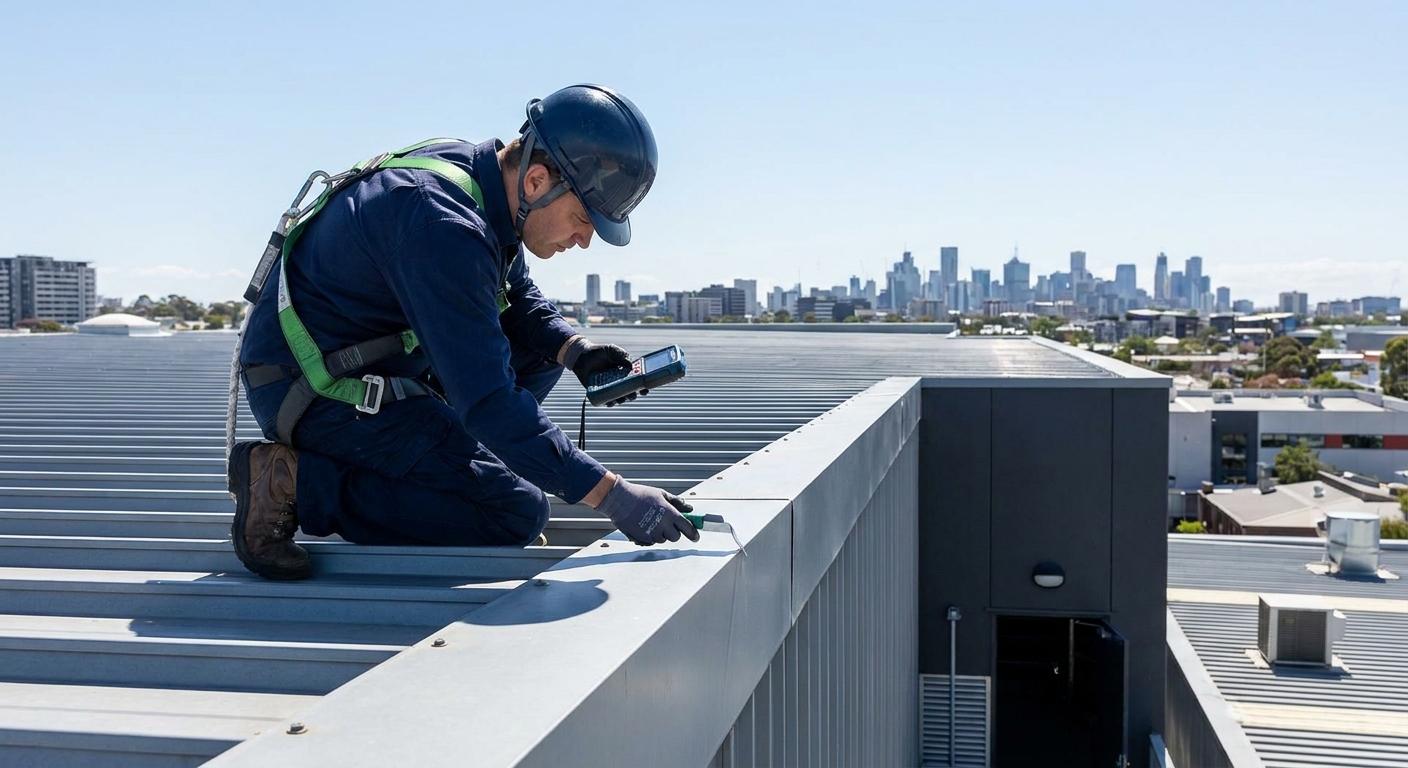
Steel offers unparalleled structural advantages for property owners. When evaluating roofing materials, several core benefits stand out:
- Exceptional Strength-to-Weight Ratio: Steel provides robust protection without putting excessive structural strain on a building’s framing.
- Extreme Weather Resistance: Steel panels are engineered to withstand severe wind, heavy snow loads, and impact from flying debris.
- Class A Fire Rating: As a non-combustible material, steel provides the highest level of protection against airborne embers and exterior fire threats.
From our perspective, the density and hardness of steel make it the ultimate pest deterrent. Rodents like mice and rats have incredibly strong teeth capable of chewing through wood, plastic, and even thin aluminum if they find a vulnerable edge. Steel stops them in their tracks. Our 98% treatment success rate is achieved by partnering our customized extermination plans with solid structural recommendations, and a steel roof is one of the best physical barriers you can have.
Steel vs. Aluminum: Choosing the Right Metal for Your Climate
When deciding between the two most popular metal options, your local weather patterns should dictate the choice. Aluminum is naturally resistant to rust because it forms its own protective oxide layer upon exposure to air. This makes it an ideal material for coastal environments or regions with constant, heavy moisture where salt spray would quickly compromise other materials.
Steel relies entirely on its factory-applied galvanized or galvalume coatings to prevent rust. While these coatings are incredibly effective, any deep scratch that penetrates to the raw steel can become a starting point for corrosion. However, steel is significantly harder and more durable against physical impacts, such as heavy hail or falling branches. Choosing the right metal ensures the roof remains sealed, preventing water damage and the subsequent wood rot that inevitably attracts carpenter ants, termites, and other moisture-loving pests.
Standing Seam vs. Exposed Fastener Metal Systems
The type of metal you choose is only half the equation; the fastening system is equally critical. Exposed fastener systems use screws driven directly through the face of the metal panels. While common, every screw hole is a penetration in your roof. Over time, thermal expansion and contraction can cause these screws to back out, degrading the rubber washers and creating potential leak points.
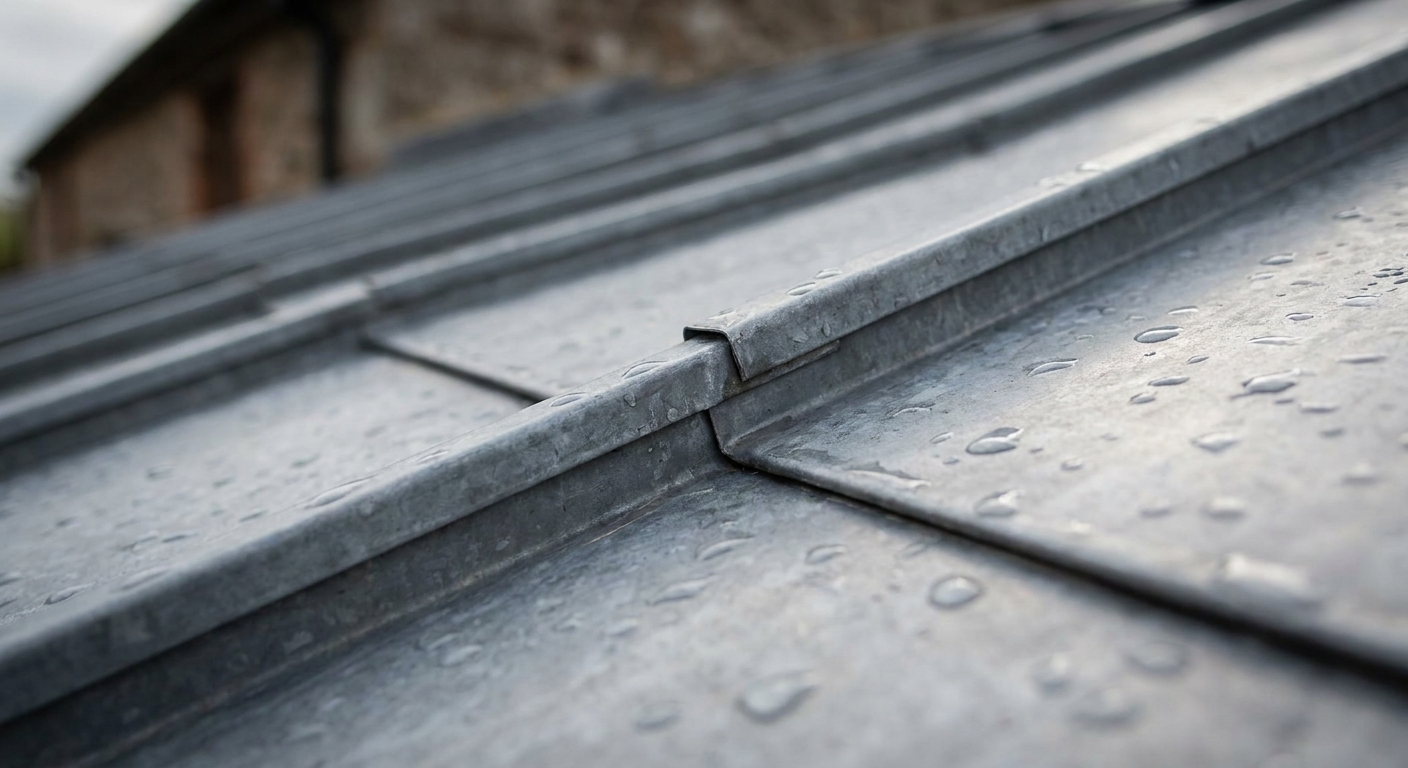
Standing seam metal systems, on the other hand, feature concealed fasteners hidden beneath the panels. The metal panels interlock at raised vertical seams, creating a watertight surface with no exposed hardware. As our technicians Tayler and Cruz often point out during our comprehensive property inspections, even a gap the size of a dime caused by a backed-out screw is enough for mice to enter an attic. Standing seam systems eliminate these weak points, ensuring a completely sealed envelope that keeps both water and wildlife outside where they belong.
Energy Efficiency and Sustainability of Metal Roofs
Modern metal and steel roofs are highly sustainable and energy-efficient. Because metal is a highly recyclable material, most panels contain a significant amount of recycled content and can be recycled again at the end of their long lifespan. Additionally, metal roofs reflect solar radiant heat rather than absorbing it, which can drastically lower home cooling demands during hot summer months.
This commitment to sustainability mirrors our own approach to property care. We prioritize eco-friendly and pet-safe treatments, utilizing gels and dusts when spray insecticides are not preferred. Just as a reflective steel roof reduces environmental impact through energy savings, our targeted, environmentally conscious pest management protocols protect your family without unnecessary ecological disruption.
Conclusion: Making the Right Choice for Your Home
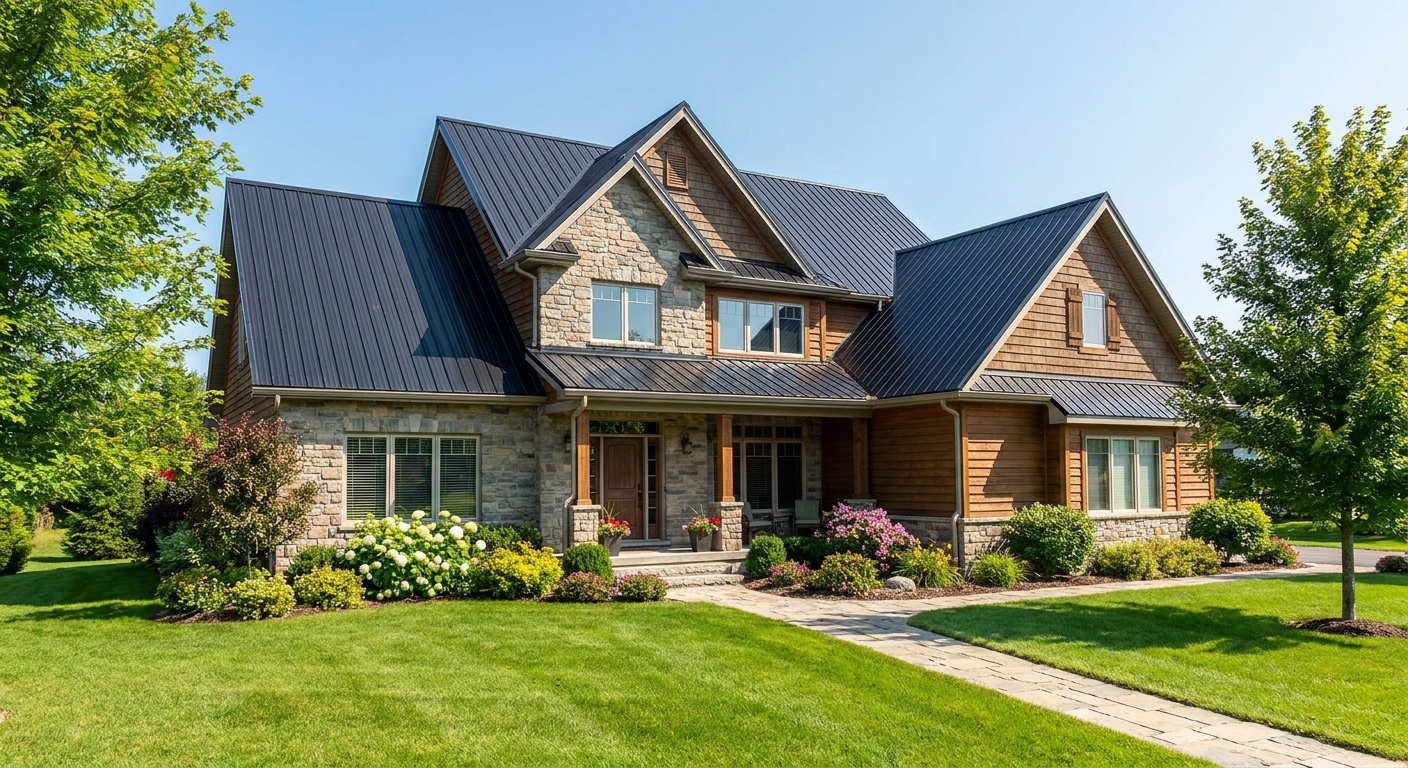
So, is steel roof the same as metal roof? Now you know that steel is a highly resilient, impact-resistant choice within the broader metal roofing family. Whether you choose the unyielding strength of coated steel or the natural rust resistance of aluminum, upgrading to a concealed-fastener metal system is a brilliant investment in your property’s longevity, energy efficiency, and security.
A secure roof is the cornerstone of a safe, pest-free home. As a family-owned and operated business with over 1500 happy clients and a 4.9/5 service rating, we protect your home like it is our own. If you suspect pests have already found their way past your current roofline, our licensed technicians are ready to help. We guarantee our arrival within 30 minutes of your designated time window, providing upfront communication and a customized treatment plan to ensure your home remains safe and secure.