


Waking up to an eight-legged visitor scurrying across your bedroom floor or finding intricate webs woven into the corners of your basement suite is a fast way to lose your peace of mind. For many tenants living in damp, temperate climates, arachnids are a persistent, year-round nuisance rather than a fleeting seasonal issue. If you are dealing with an ongoing infestation, you are likely asking yourself about Spiders in Your Rental: What Are Your Options?
While a few stray arachnids can help control other indoor insects, a sudden surge in their population often points to underlying environmental conditions that need to be addressed. Because rental properties—especially older character homes and basement suites—frequently offer the perfect mix of moisture, shelter, and undisturbed spaces, these pests can quickly establish themselves. Understanding their habits, identifying the species you are dealing with, and knowing how to collaborate with your property manager are the first steps toward reclaiming a comfortable, bug-free living space.
Why Rentals Are Magnets for Spiders
Rental properties, particularly ground-level apartments and basement suites, naturally provide the three things arachnids need to thrive: shelter, food, and moisture. In regions with temperate, rainy climates, homes retain a significant amount of moisture. This humidity creates an ideal microclimate for these pests and the smaller insects they feed on.
Older rental buildings often have more entry points, such as settling foundation cracks, gaps around utility penetrations, and poorly sealed window frames. When vegetation grows densely right up to the exterior walls, it acts as a bridge, allowing pests to easily transition from the garden into your living space. Once inside, the dark, undisturbed corners of shared laundry rooms, crawl spaces, and storage lockers offer perfect harborage zones where populations can grow unnoticed.
Seasonal Spider Trends: When to Expect Peak Activity
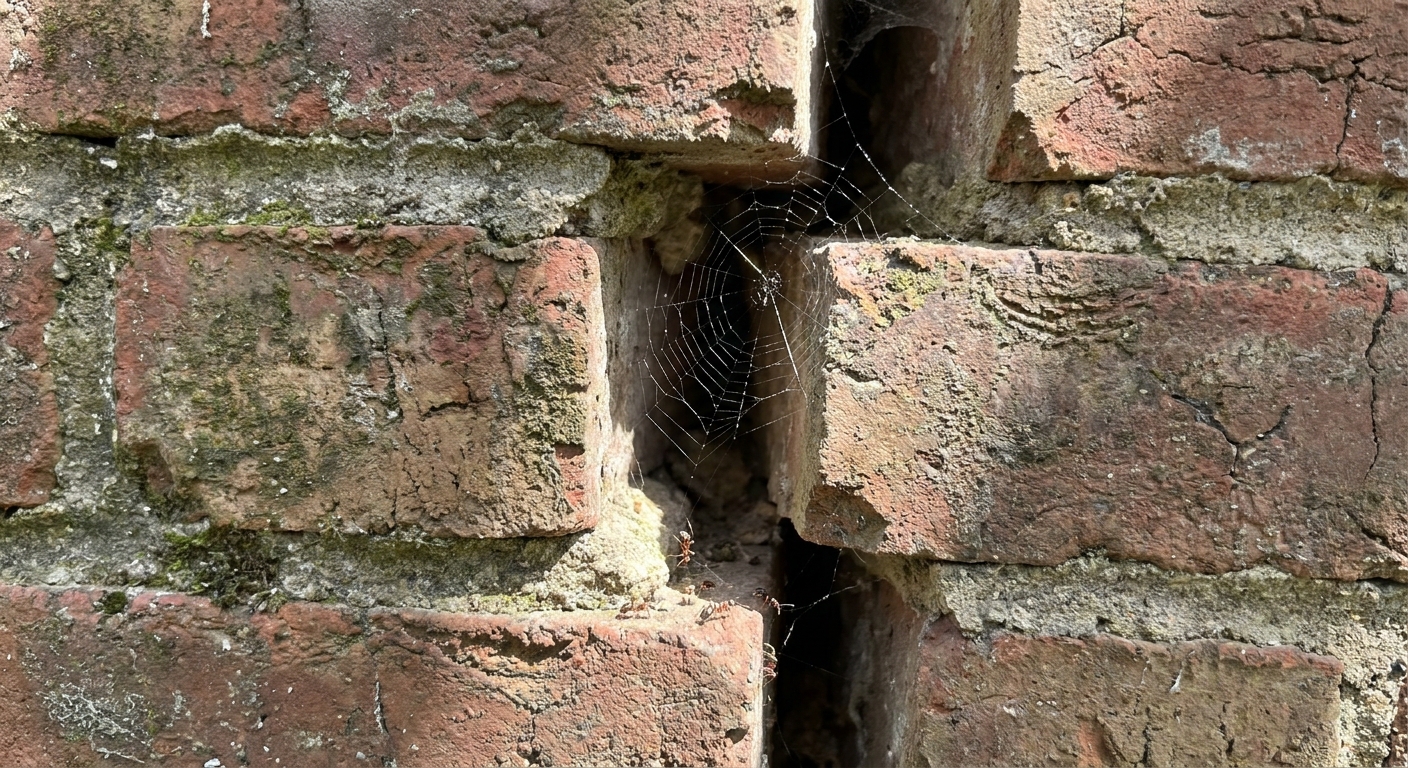
While it may seem like these pests appear out of nowhere, their activity follows distinct seasonal patterns. You will typically notice the most significant influx of indoor arachnids during the late summer and early autumn. As outdoor temperatures begin to drop and the rainy season sets in, many species migrate indoors seeking warm, dry shelter.
Autumn is also the primary mating season for many common species. During this time, males become highly active, leaving their webs to roam across floors and walls in search of female mates. Additionally, late summer is when many females lay their eggs, which then hatch into a new generation of pests just as the weather cools. Knowing these seasonal trends helps you stay vigilant so you can address an emerging issue before it becomes a full-blown infestation.
Common Spider Species in Apartments and Basement Suites
Not all arachnids behave the same way or prefer the same environments. Identifying the specific pests in your home helps determine the most effective approach for removal.
Giant House Spiders
The giant house spider is one of the most frequently encountered species in ground-level residences and basements. Known for their impressive speed and relatively large size, they are often seen darting across floors at night. Despite their intimidating appearance, they prefer to avoid human contact and are generally found in dark, cluttered areas where they build messy, sheet-like webs.
Hobo Spiders
Often confused with other large brown arachnids, hobo spiders favor dark, damp spaces like crawl spaces, window wells, and under heavy furniture. They construct funnel-shaped webs to trap their prey. While they have a fearsome reputation in urban legends, modern entomological studies confirm that they are not a significant medical concern and prefer to flee rather than confront humans.
Cellar Spiders
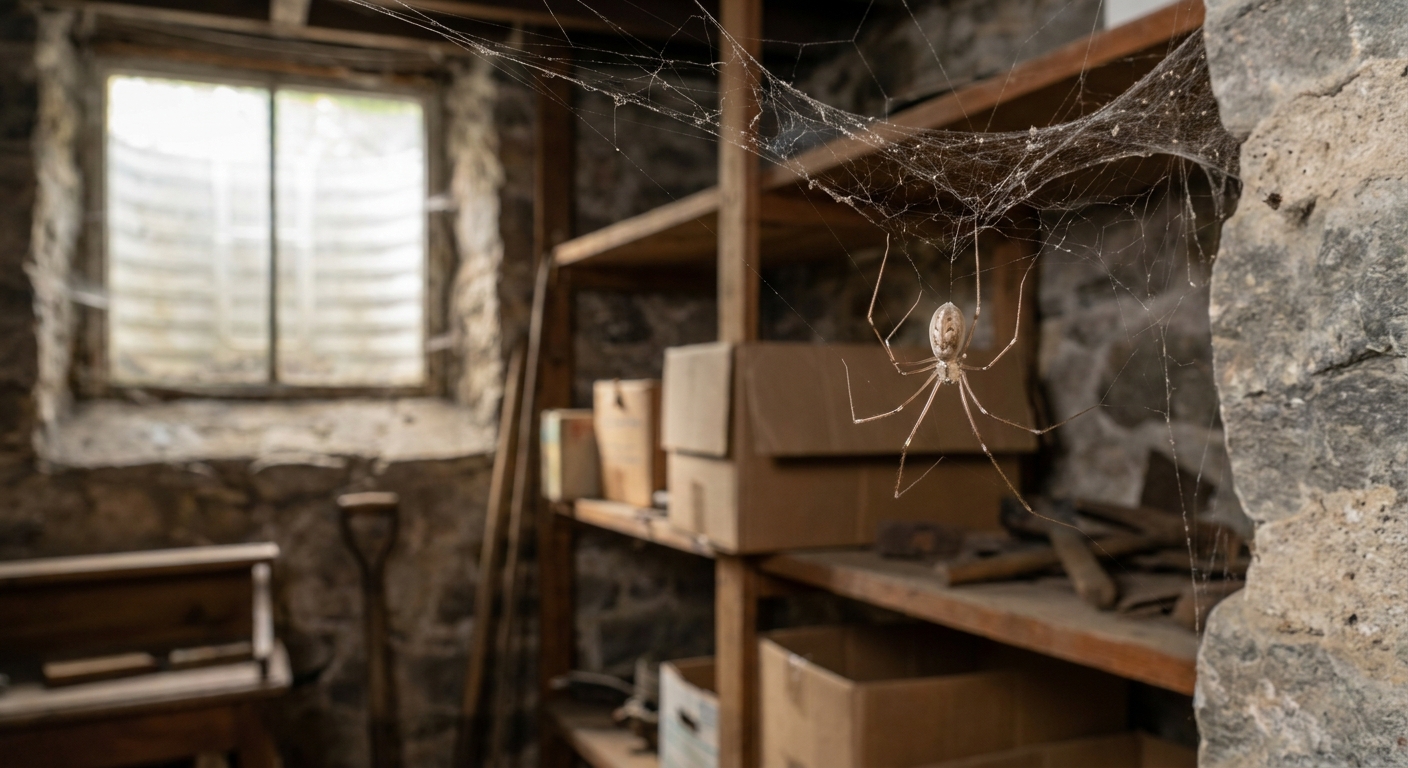
Commonly referred to as daddy long-legs, cellar spiders have small bodies and long, delicate legs. They thrive in damp, undisturbed environments like utility rooms, unfinished basements, and high ceiling corners. Unlike species that hunt on the ground, cellar spiders are builders that create extensive, irregular webs. They are entirely harmless but can create a messy appearance in your rental if their webs are left unchecked.
Are the Spiders in Your Rental Dangerous?
When tenants discover large arachnids in their living spaces, their first concern is naturally about safety. Fortunately, the vast majority of species found in residential properties are medically harmless. While any pest with fangs is technically capable of biting, they rarely do so unless they are provoked, trapped in clothing, or accidentally crushed.
If a bite does occur from a common house species, the reaction is typically mild, resembling a minor bee sting or mosquito bite with localized redness and slight swelling. For anxious parents and pet owners, it is reassuring to know that these common indoor pests do not pose a serious health risk. However, their presence can still cause significant psychological distress and indicates that other insects—their food source—are also present in the home.
Tenant vs. Landlord: Who is Responsible for Spider Control?
Navigating pest management in a rental property requires a clear understanding of responsibilities. Generally, landlords are legally obligated to provide a safe, habitable living environment, which includes ensuring the property is structurally secure against severe pest intrusions. This means property owners are typically responsible for sealing exterior foundation cracks, fixing leaky pipes that cause excess moisture, and hiring professional exterminators for established infestations.
Conversely, tenants are responsible for maintaining a clean living space that does not attract pests. This includes managing daily clutter, ensuring proper ventilation to reduce indoor humidity, and promptly reporting any signs of pest activity to the property manager. By working cooperatively, both parties can ensure the rental remains a comfortable and pest-free environment.

Preventative Habits for Tenants to Keep Spiders at Bay
While structural repairs fall to the landlord, tenants can adopt several daily habits to make their rental less inviting to these eight-legged intruders.
Managing Indoor Moisture Levels
Because moisture is a major draw for arachnids and the insects they eat, controlling indoor humidity is highly effective. Always run exhaust fans while showering or cooking to vent excess condensation. If you live in a basement suite that naturally retains dampness, running a dehumidifier can significantly alter the microclimate, making it inhospitable for pests.
Reducing Clutter and Routine Web Removal
Arachnids seek out undisturbed hiding spots to build their webs and lay eggs. By keeping storage areas, closets, and spaces under beds free of excessive clutter, you eliminate their preferred habitats. Store out-of-season clothing and extra bedding in tightly sealed plastic bins rather than cardboard boxes. Additionally, make routine web removal a part of your regular cleaning schedule. Using a vacuum with a hose attachment to clear away webs, egg sacs, and stray pests disrupts their lifecycle and signals that the area is too active for them to settle in safely.
Professional Extermination: How and When to Request Landlord Intervention
When daily preventative habits are not enough to curb a growing population, it is time to escalate the issue. Knowing exactly when and how to ask for professional help ensures the problem is handled swiftly and safely.
Identifying a Severe Infestation
You should contact your landlord if you notice a sudden, overwhelming increase in pest activity, if arachnids are repeatedly appearing in the exact same areas despite thorough cleaning, or if you are finding numerous egg sacs hidden in dark corners. A persistent presence indicates that the pests have established a reliable food source and safe harborage inside the walls or foundation, requiring targeted professional intervention.
Communicating Effectively with Property Management
When reaching out to your landlord, provide clear, documented details of the issue. Mention the frequency of sightings and the specific areas affected. Request that they bring in a licensed, professional pest management team rather than attempting superficial fixes.
As a family-owned and operated company with over twenty years of experience, we understand the anxieties tenants face. When a landlord contacts us, we follow a strict, effective process. It begins with a comprehensive inspection by our fully licensed and background-checked technicians to identify entry points and harborage zones. We then provide a clear diagnosis and create a customized treatment plan.
For tenants concerned about the safety of extermination products, we prioritize peace of mind. Our lead entomologist and highly trained technicians, including our owners Stephen and Julie Scott, ensure that all treatments are registered with national health authorities and applied safely. We even offer alternative options like dusts or gels for those averse to traditional sprays. During our visits, we wear personal protective equipment, including disposable booties, to keep your rental pristine, and we strictly follow local environmental guidelines for the removal of any dead pests.

Next Steps for a Spider-Free Rental
Dealing with an influx of arachnids can be stressful, but you do not have to endure it alone. By understanding the environmental factors that attract them, recognizing the seasonal trends, and maintaining a clean, dry living space, you can greatly reduce their presence. When an infestation requires expert attention, proactive communication with your landlord is the key to securing professional help.
With a 98 percent treatment success rate and over 1,500 happy clients, our team is dedicated to protecting your home like it is our own. We are QualityPro certified, and we back our work with a firm customer commitment—we promise to keep working with you until you are completely satisfied. If you are still wondering about Spiders in Your Rental: What Are Your Options?, encourage your property manager to reach out to a trusted, experienced team that guarantees a safe, effective resolution.