

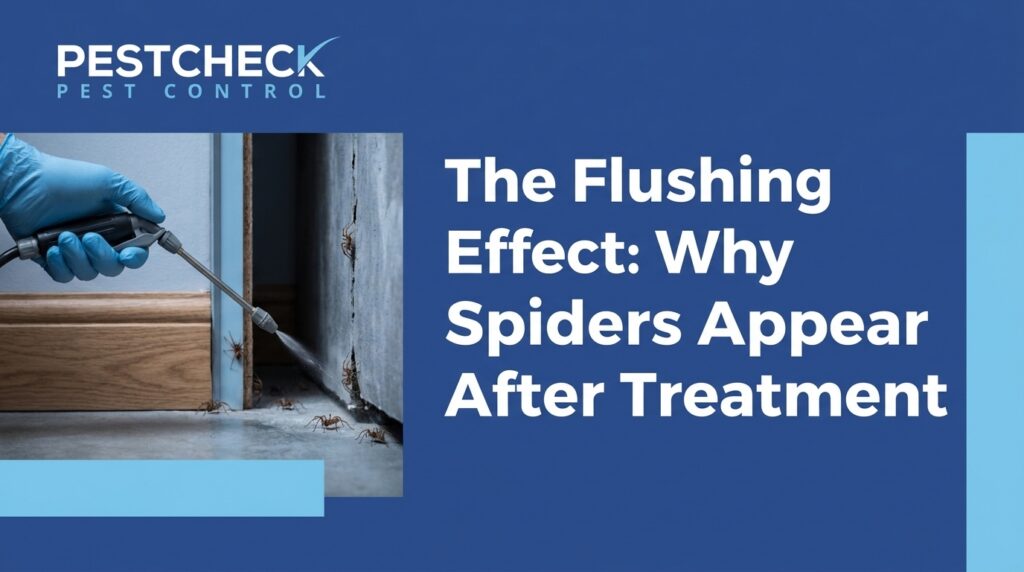
If you’ve recently had a professional spider treatment and are noticing more spiders than before, resist the urge to panic. What you’re seeing is a well-known response called the flushing effect — the reason you might see more spiders immediately after a professional treatment. It’s not a sign the service failed; in most cases, it’s evidence the product is already working.
The flushing effect occurs when treatment disrupts the dark, undisturbed places where spiders hide. Because spiders do not groom themselves the way many insects do, they pick up product on their body and legs, become agitated, and leave their harbourage areas. This brief increase in visible activity is expected and almost always temporary.
What Is the Flushing Effect?
Definition and Common Misconceptions
Many homeowners assume that seeing more spiders after a treatment means the product attracted them or the infestation got worse. In fact, the opposite is true. The flushing effect describes the temporary surge in spider sightings as spiders leave their hiding spots after a professional application. It often happens within the first few days.
A common misconception is that the treatment is a repellent that should drive spiders away instantly. Professional products are designed to contact spiders where they travel and hide, not simply to smell unpleasant. That means the spiders you spot right after a service were already inside your home; they are now moving across treated surfaces.
Why It’s a Positive Sign
Seeing more spiders initially is usually a positive sign because it confirms the product is reaching hidden areas that a visual inspection alone cannot cover. A professional treatment targets cracks, crevices, and entry points — exactly where spiders rest during the day. When we apply a residual product to those locations, spiders that come into contact with it become visibly active before dying.
How Professional Treatments Affect Spider Behavior
Disruption of Hiding Spots and Webs
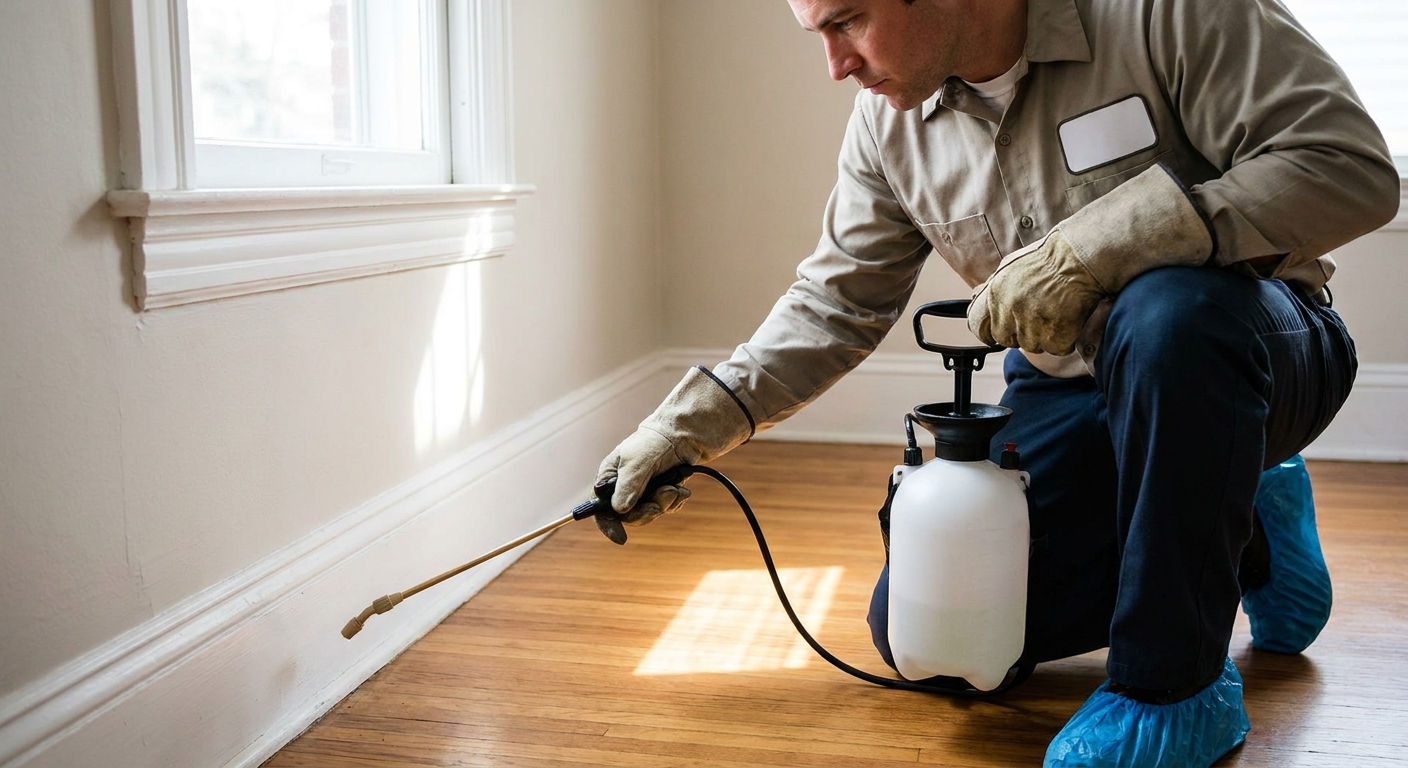
Spiders are shy, thigmotactic creatures that press their bodies against surfaces. A professional application disturbs the silk lines and retreats they rely on. When we treat the junction where a wall meets the floor, inside voids, and behind stored items, we disrupt the physical cues spiders use to feel safe. This disruption pushes them to move, which is why you may suddenly see them crossing open areas.
Residual Insecticides and Repellents
The products we use leave a residual film on treated surfaces that remains active for weeks. Unlike a contact spray that kills on direct hit alone, a residual product continues to affect spiders after it dries. Spiders pick up tiny particles on their legs and body as they walk over the film. Because spiders do not groom themselves like ants or cockroaches, the product stays on them long enough to cause the agitation and eventual mortality we associate with the flushing effect.
Why Spiders Emerge in Greater Numbers
Spiders Leaving Treated Areas
Once spiders encounter a treated surface, they rarely stay put. The product irritates their sensory hairs and joint membranes, driving them to abandon the web or retreat. They may move toward untreated areas, including across open floor space, up walls, or along windowsills — all places where you are more likely to notice them. This movement creates the impression of a larger population than actually exists.
Increased Activity Due to Disturbance
The physical act of treatment also plays a role. During a service, a technician moves items, sweeps under furniture, and applies product into voids. This alone flushes out spiders that were resting undisturbed. Add the residual effect, and the combined disturbance is enough to make previously hidden spiders very visible for a short window.
What Homeowners Typically Observe
Types of Spiders Seen
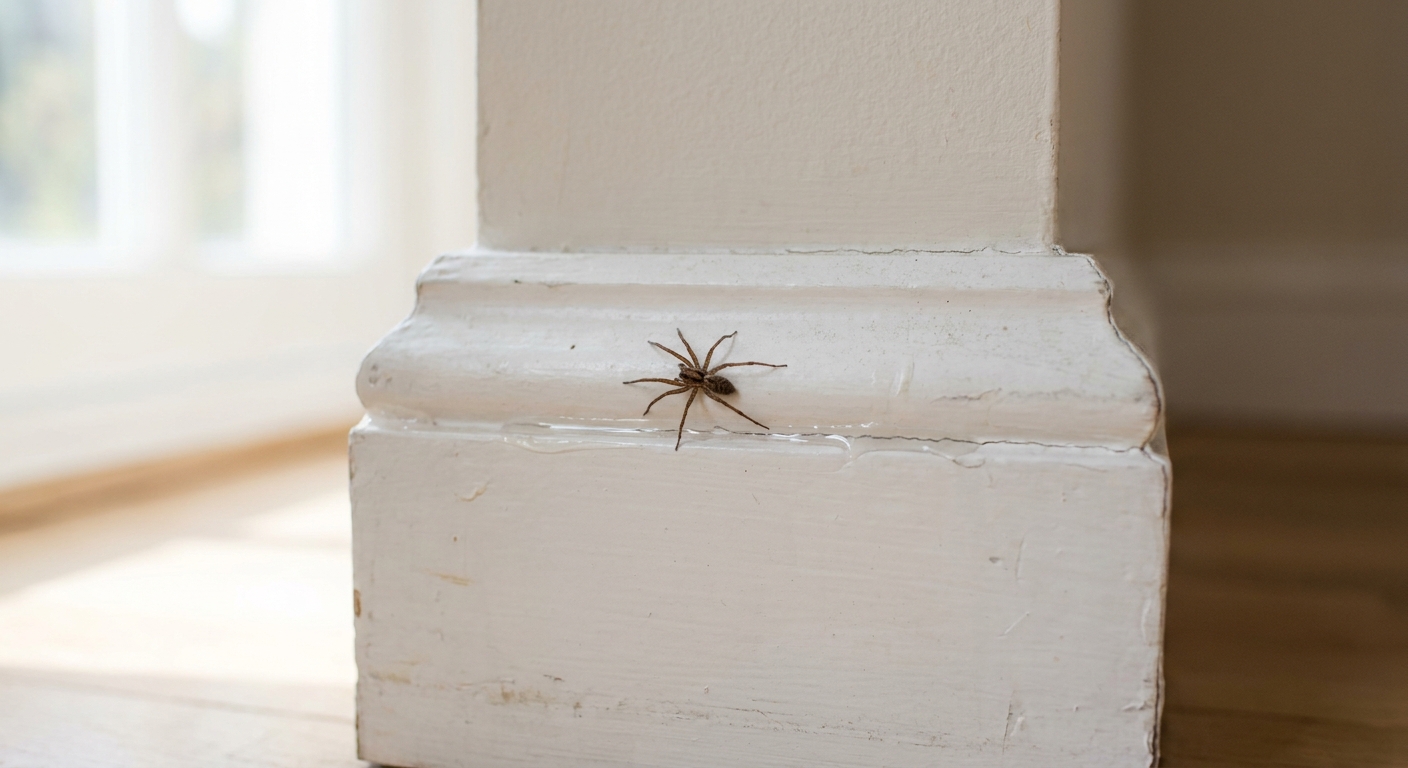
After treatment, you may notice common indoor spiders such as cellar spiders, cobweb spiders, and the occasional wolf spider that wandered inside. The species depends on what was already present. In most homes, the spiders flushed out are the same ones that had been living unnoticed behind furniture, in ceiling corners, or under baseboards.
Timing and Duration of Increased Sightings
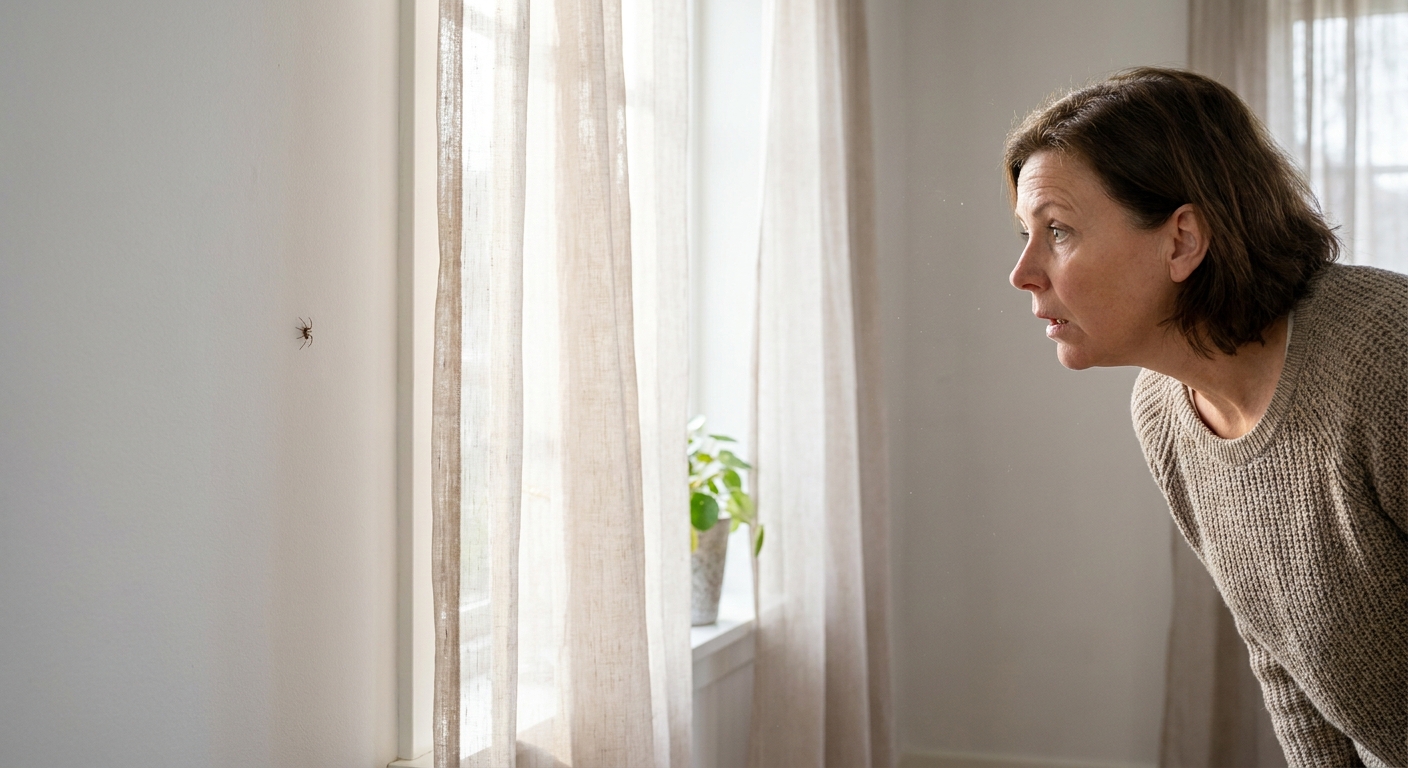
The peak in visible activity usually occurs within 24 to 72 hours after treatment. You may see a few spiders on the first evening, more the next day, and a steady decline after that. The entire flushing period rarely lasts longer than one to two weeks, though every home is different.
How Long Does the Flushing Effect Last?
Short-Term vs. Long-Term Results
Think of the flushing effect as the short-term cost of long-term control. In the first days, you are seeing the existing population being forced out and eliminated. After that wave passes, new spiders attempting to enter from outside encounter the residual barrier and do not establish themselves. Within two to four weeks, most homes reach a noticeable and sustained reduction in spider activity.
As a family-owned company with more than 20 years of experience, we have seen this exact pattern play out in hundreds of homes. We protect your home like it’s our own and will keep working with you until you are completely satisfied.
Factors That Influence Duration
Several factors affect how long you see increased spider activity. The size of the original population, the type of product applied, how thoroughly you prepared the space, and the number of entry points all matter. Homes with heavy clutter, unfinished basements, or frequent outdoor lighting tend to show a longer flushing period because more spiders were present to begin with.
When to Seek Further Assistance
Signs That the Treatment Isn’t Working
If you are still seeing multiple live spiders every day three weeks after a professional treatment, or if you find fresh webs being built in the same treated areas, that may signal a missed entry point or a particularly resilient population. Another sign is finding live spiders in locations that were never treated, such as a garage you forgot to mention or an attic we could not access during the initial visit.
Scheduling a Follow-Up Visit
Don’t wait until the problem feels overwhelming. If spider activity remains higher than expected after the flushing window, contact us. We can review the original service notes, inspect the areas of concern, and recommend a targeted follow-up if needed. A quick phone call is often enough to determine whether what you are seeing is still within the normal range.
Conclusion: Trust the Process
Reassurance for Homeowners
The flushing effect is not a sign of failure; it is a sign that the treatment is reaching the places where spiders live. The sudden appearance of a few spiders after a professional service can be unsettling, but it almost always resolves on its own as the residual product takes full effect. Give the product time to work before judging the result.
The Importance of Professional Expertise
Professional spider control is rarely about spraying every surface. It is about knowing where spiders hide, how they travel, and which products will continue to work after they dry. That expertise is why a temporary increase in sightings is expected and why we prepare our clients for it before we begin. If you have questions or concerns after your service, reach out to us — we would rather explain the process than have you worry in silence.
If you’re seeing more spiders after treatment and want peace of mind, contact us to discuss what you’re observing.