

Encountering a spider in your home or business can be unsettling, especially when you are unsure if it poses a threat to your family or pets. While most arachnids play a beneficial role in controlling other insect populations by consuming mosquitoes, flies, and agricultural pests, recognizing venomous spiders: when a black widow or hobo spider sighting requires an exterminator is crucial for your peace of mind and safety. Understanding the distinct behaviors, hiding spots, and potential medical significance of these specific arachnids helps you make informed decisions about protecting your property without resorting to unnecessary panic.
At Pestcheck Services Limited, we understand the anxiety that comes with discovering potentially dangerous pests in your living spaces. With over twenty years of experience, a 98% treatment success rate, and more than 1500 happy clients, our family-owned and operated business is dedicated to keeping your environment safe. Led by owner and head technician Stephen Scott, along with manager Julie Scott, we believe in empowering our clients with accurate knowledge. We do not just say ‘trust us’—our highly trained technicians walk you through every step of our process, ensuring you know exactly what you are dealing with and when it is time to call in the professionals.
Understanding Venomous Spiders
To accurately assess the threat level of arachnids on your property, it is important to clarify the difference between venomous and poisonous. Poisonous organisms deliver toxins when they are ingested or touched, whereas venomous creatures actively inject their toxins using specialized appendages, such as fangs. By this biological definition, almost all spiders are venomous, as they rely on venom to subdue their prey. However, the vast majority of spiders possess venom that is completely harmless to humans.
A spider is only considered medically significant if its venom causes a severe adverse reaction in humans. Out of hundreds of local species, only a very select few carry venom potent enough to warrant medical attention. Establishing this baseline understanding helps homeowners differentiate between a harmless garden helper and a genuine pest threat that requires professional intervention.
Why Do Spiders Bite? Understanding Arachnid Behavior
A common misconception is that spiders are aggressive hunters seeking to bite humans. In reality, spiders are highly reclusive and view humans as massive, dangerous predators. Their primary instinct when encountering a person is to run, hide, or play dead. Spiders bite humans almost exclusively in self-defense, typically as a last resort when they are accidentally squeezed, pressed against the skin, or trapped in clothing and shoes.
Venom is a biologically expensive resource for an arachnid. Because it takes time and energy to replenish, spiders prefer to conserve their venom for their actual food sources, such as flies, mosquitoes, and small insects. Understanding this defensive behavior is the first step in preventing bites. By shaking out clothing, wearing gloves when moving firewood, and avoiding reaching blindly into dark corners, homeowners can drastically reduce the chances of an accidental encounter.
The Western Black Widow: A Medically Significant Spider
Identifying the Western Black Widow
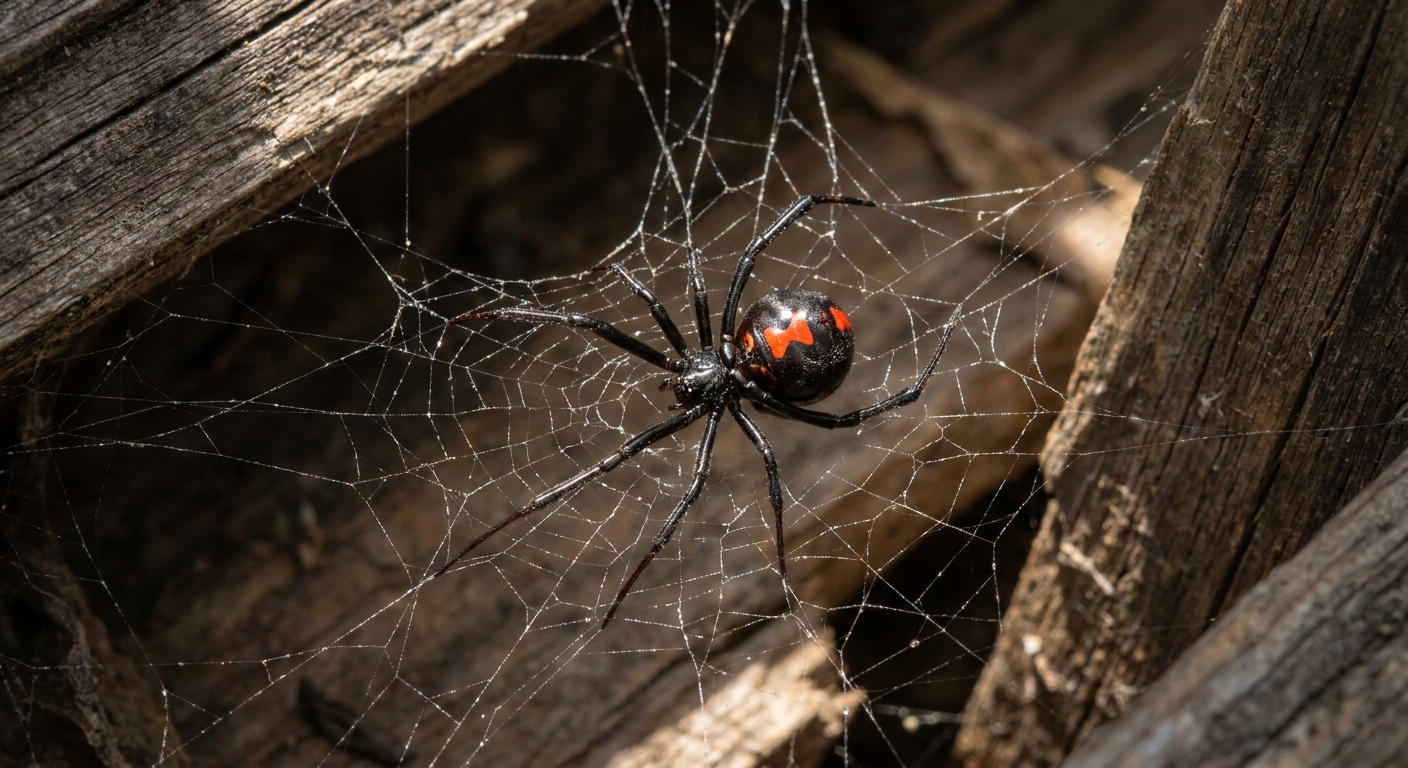
The Western Black Widow is the most notable medically significant spider you might encounter. Female black widows are the primary concern, as their venom is significantly stronger than that of the males. They are easily identifiable by their shiny, coal-black bodies and the distinct, bright red hourglass marking on the underside of their bulbous abdomens. These spiders are relatively small, usually measuring around an inch and a half in length with their legs extended.
Typical Habitats and Hiding Spots
Black widows are not picky eaters, but they are very particular about where they build their webs. They prefer dark, undisturbed, and sheltered environments close to the ground. You will rarely find a black widow out in the open during the day. Instead, they construct irregular, messy-looking webs in cluttered areas. Common hiding spots on residential and commercial properties include woodpiles, dark corners of garages, crawlspaces, under barbecue grills, inside water meter boxes, and around the undisturbed perimeters of outbuildings.
Symptoms of a Black Widow Bite and When to Seek Medical Attention
Immediate Physical Reactions
If a bite occurs, the immediate physical reaction can vary. Many individuals report feeling a sharp pinprick sensation, followed by localized pain, slight swelling, and redness at the bite site. In some cases, you may be able to see one or two tiny red fang marks. While these initial symptoms might mimic a minor insect sting, the progression of the reaction is what sets a black widow bite apart.
Severe Neurotoxic Symptoms
The venom of a black widow contains a potent neurotoxin that affects the nervous system. Within thirty to sixty minutes of the bite, severe symptoms can begin to manifest. These may include intense muscle cramps and spasms that start near the bite and spread to the abdomen, back, or chest. Other severe reactions include excessive sweating, chills, fever, nausea, vomiting, headaches, and elevated blood pressure. Because these neurotoxic symptoms can be particularly dangerous for young children, the elderly, and individuals with compromised immune systems, immediate medical attention is strongly advised if a black widow bite is suspected.
Hobo Spiders: Facts vs. Fiction
Recognizing Funnel-Web Habits
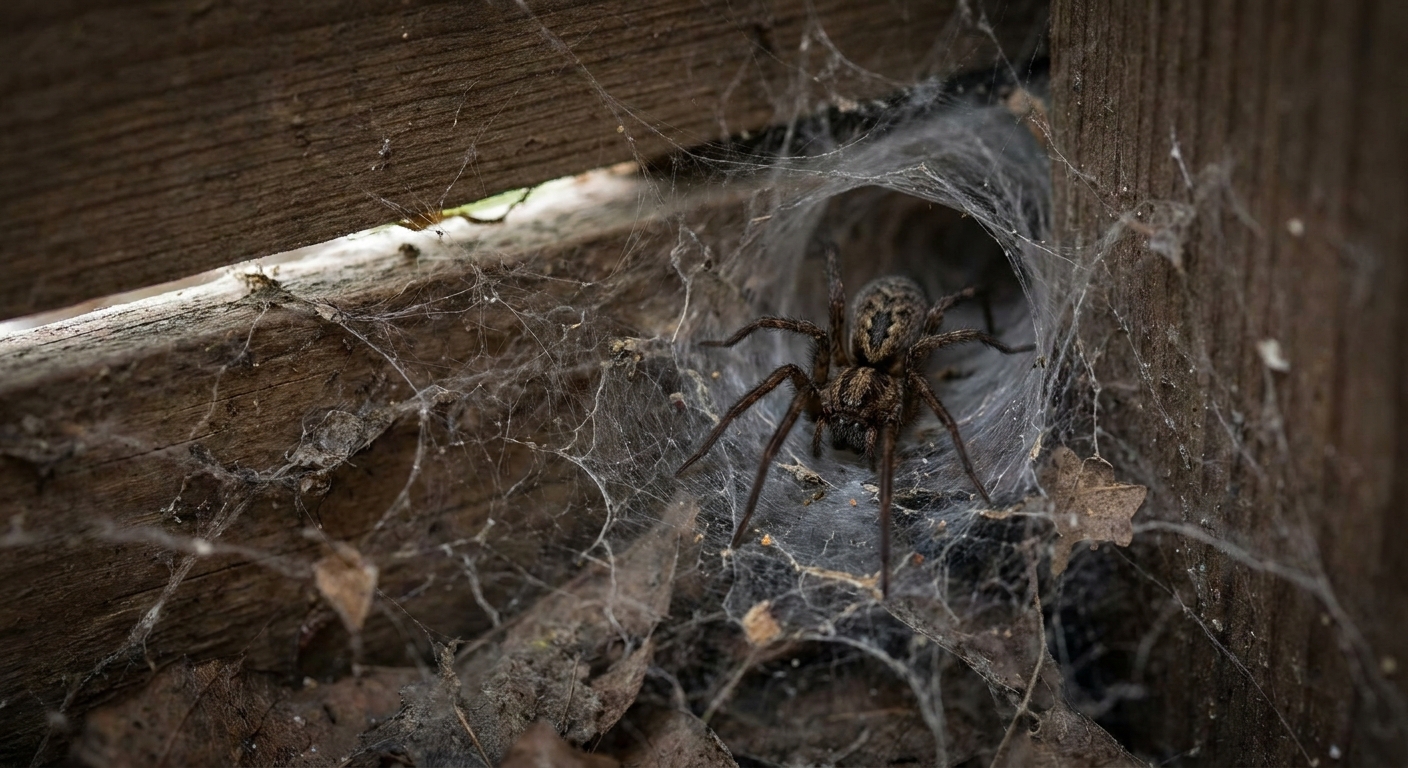
The Hobo spider is another species that frequently causes concern among homeowners. Belonging to the funnel-web spider family, they are known for spinning intricate, funnel-shaped webs to trap their prey. They prefer humid, dark environments and are often found in basements, window wells, and retaining walls. Physically, they have brown bodies with a distinctive V-shaped pattern pointing down the middle of their abdomen, and they lack the banded legs seen on many similar species.
Assessing the True Danger of Their Venom
For years, the Hobo spider was mistakenly labeled as highly dangerous, with rumors suggesting their bites caused severe necrotic lesions (rotting flesh). However, extensive modern entomological research has debunked this myth. Today, experts widely consider the Hobo spider to be medically benign. While a bite may cause mild localized pain, slight swelling, and an itchy wound, it does not possess the dangerous tissue-destroying venom it was once blamed for. Bites are incredibly rare, as these spiders are poor climbers and generally avoid human interaction.
Common Spider Look-Alikes: False Black Widows and Giant House Spiders
Differentiating the False Black Widow
Accurate identification is critical to preventing unnecessary panic. The False Black Widow is incredibly common and frequently mistaken for its dangerous relative. While it shares a similar bulbous body shape and dark coloration, it completely lacks the signature red hourglass marking. A bite from a False Black Widow can cause a temporary burning sensation and mild pain, but it does not carry the severe neurotoxins of a true black widow.
Harmless Giant House Spiders
The Giant House Spider is another frequent visitor that often terrifies homeowners due to its impressive size—sometimes reaching up to three inches across with legs extended. Despite their intimidating speed and size, they are completely harmless to humans. In fact, Giant House Spiders are highly beneficial to have around the perimeter of your home, as they are natural predators of other pests, including the Hobo spider.
Debunking the Brown Recluse Myth
One of the most persistent urban legends in pest control is the presence of the Brown Recluse spider in northern and coastal climates. Despite widespread rumors and frequent misidentifications by the public, the Brown Recluse is not native to these regions; its established habitat is strictly limited to specific southern and mid-western areas. When homeowners believe they have spotted a Brown Recluse, they are almost always looking at a harmless wolf spider, a Hobo spider, or a common house spider. Understanding this geographical fact helps alleviate a significant amount of unwarranted fear.
When a Spider Sighting Requires a Professional Exterminator
Spotting a Black Widow on Your Property
While a single harmless house spider can be left alone to control local insects, spotting a Western Black Widow on your property is a clear signal to contact Pestcheck Services Limited. Because these spiders prefer to remain hidden, seeing one often indicates that a larger breeding population is established nearby. Attempting to remove a medically significant spider without professional training increases your risk of an accidental bite.
Identifying Large Infestations
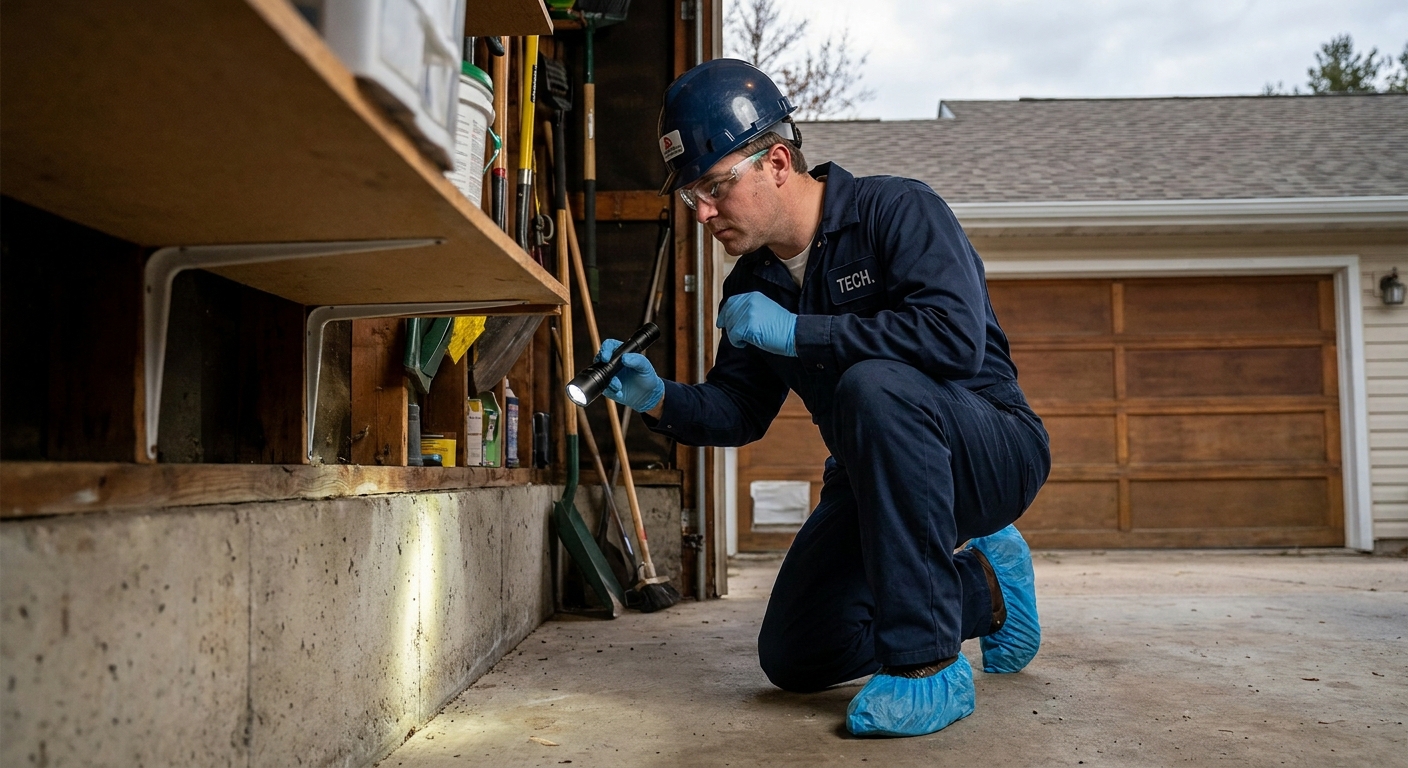
Even with benign species, a massive overpopulation of spiders can become a severe nuisance. If your property is suddenly covered in webs, or if you notice a rapid increase in spider activity indoors, it is time for our comprehensive four-step process: Contact, Inspection, Diagnosis, and Treatment. Our licensed technicians conduct a thorough inspection to identify pest entry points and customize a treatment plan. We offer environmentally conscious and pet-safe treatment options, including dusts, gels, and targeted applications, ensuring your home remains a safe sanctuary.
Protecting Commercial and Residential Spaces
Whether you are a homeowner wanting to protect your family or a business owner ensuring a clean environment for your customers, Pestcheck Services Limited is here to help. We are proud members of the National Pest Management Association (NPMA) and Professional Women in Pest Management (PWIPM), upholding the highest standards of safety and ethics. We respect your property by using full personal protective equipment, including disposable booties, and we ensure all dead pests are safely removed. We value your time, providing a 24-hour advance email with a strict 30-minute arrival window, and our technicians will always communicate directly if there are any schedule changes. We protect your home like it is our own, and we promise to keep working until you are completely satisfied with a pest-free environment.