

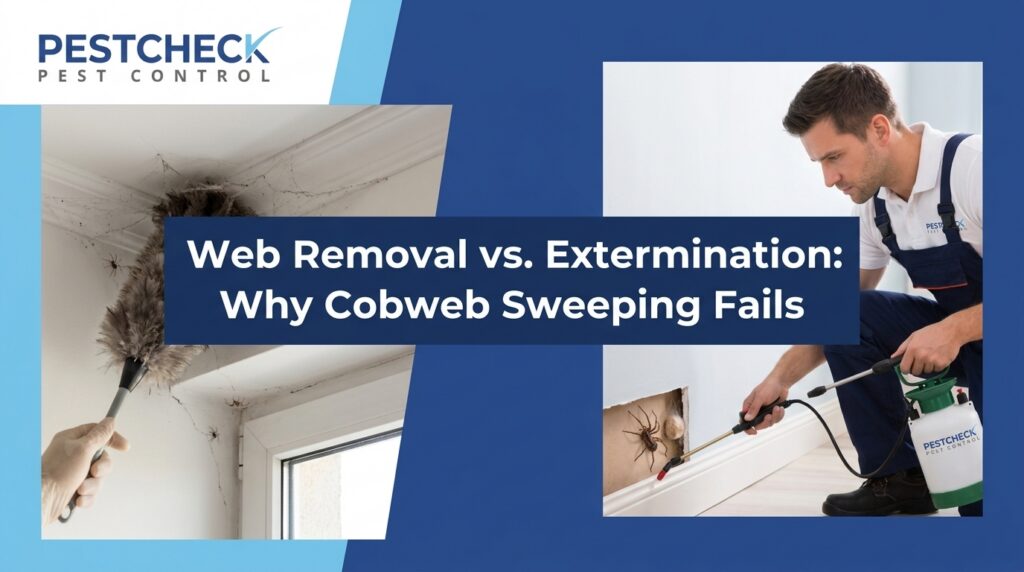
When you notice cobwebs clinging to ceiling corners or stretching across window frames, it is tempting to wipe them away and consider the problem solved. But web removal is only a cosmetic fix. The spiders that built those webs are almost certainly still nearby, hidden in cracks, behind furniture, or inside wall voids, and they will rebuild within days.
Web removal vs. extermination: why sweeping away cobwebs doesn’t stop a spider problem is not just a phrase; it is the difference between a temporary tidy-up and a lasting solution. In this article, we explain what each approach involves, why cobweb sweeping fails, and how professional extermination targets the root cause.
What Is Web Removal?
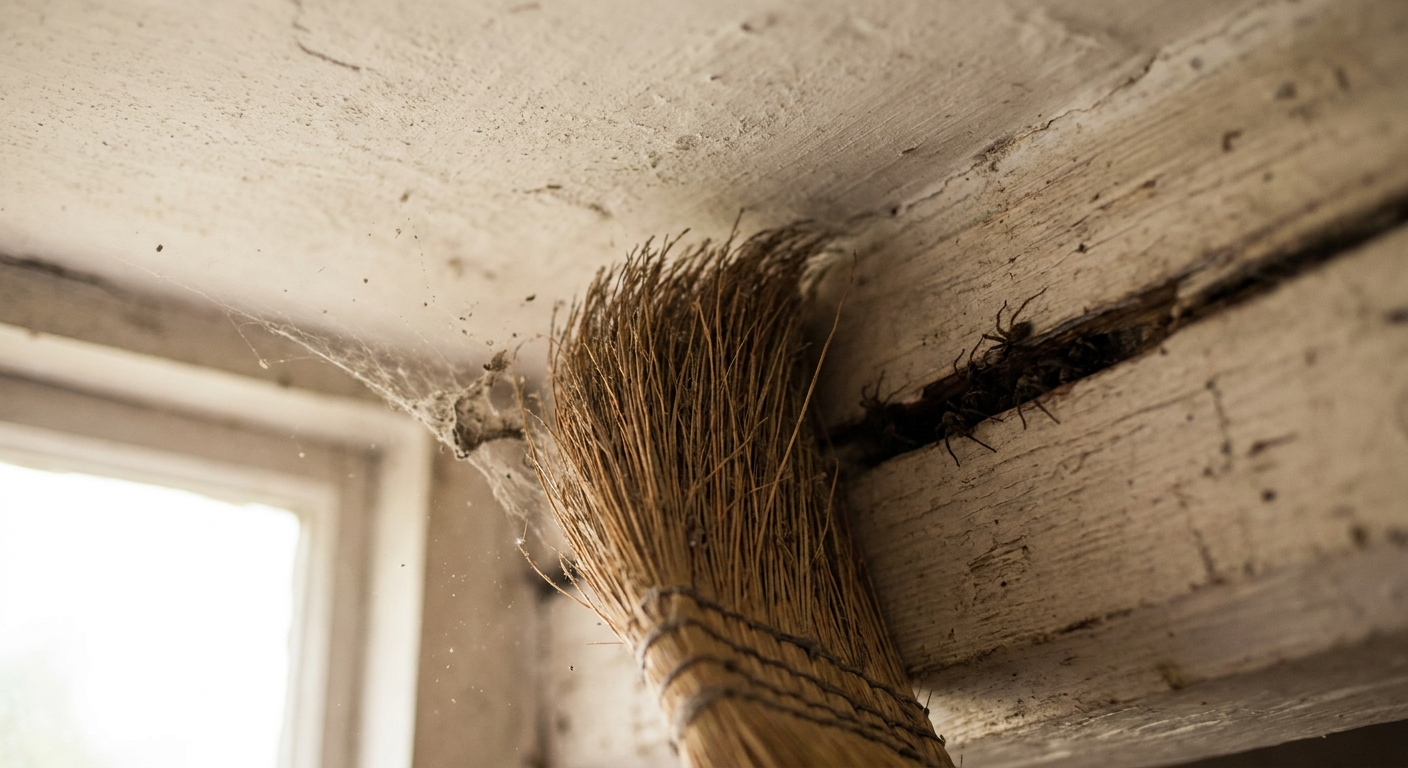
Web removal is exactly what it sounds like: the physical removal of visible spider webs, usually with a broom, vacuum, or duster. It makes a room look cleaner, but it does nothing to address the spiders themselves, their egg sacs, or the sheltered locations where they hide during the day.
What Is Spider Extermination?
Spider extermination is a comprehensive service that targets the entire spider population, not just the webs they leave behind. A professional extermination begins with a thorough inspection to identify the species present, locate all harbourage areas, and determine how spiders are getting inside. Treatment then focuses on those hidden areas, using products designed to control spiders where they live.
Key Differences: Web Removal vs. Extermination
The core difference is depth. Web removal addresses only the symptom—the visible silk. Extermination addresses the cause—the living spiders and their breeding sites. Below is a breakdown of how the two approaches compare.
- Temporary vs. lasting: Web removal must be repeated frequently, while extermination provides longer-term control.
- Ignores egg sacs: Sweeping webs leaves egg sacs intact, allowing the next generation to hatch; extermination targets egg sacs and hidden spiders.
- No entry point sealing: Web removal does not identify how spiders are entering; extermination includes finding and sealing those entry points.
- No species identification: Without identification, you may be unaware of venomous species; extermination includes identification and appropriate safety measures.
Why Cobweb Sweeping Fails to Solve the Problem
Sweeping away cobwebs fails because it ignores spider biology and behaviour. Two factors make this approach ineffective.
Spider Behavior and Web Rebuilding
Many common household spiders rebuild their webs within 24 to 48 hours after they are destroyed. Some species construct a new web every night. If you remove a web in the morning, the same spider—or another one from the same area—will often have a fresh web in place by the next day. Even if the web is not rebuilt in the exact same spot, the spider simply moves to a new location.
The Hidden Spider Population
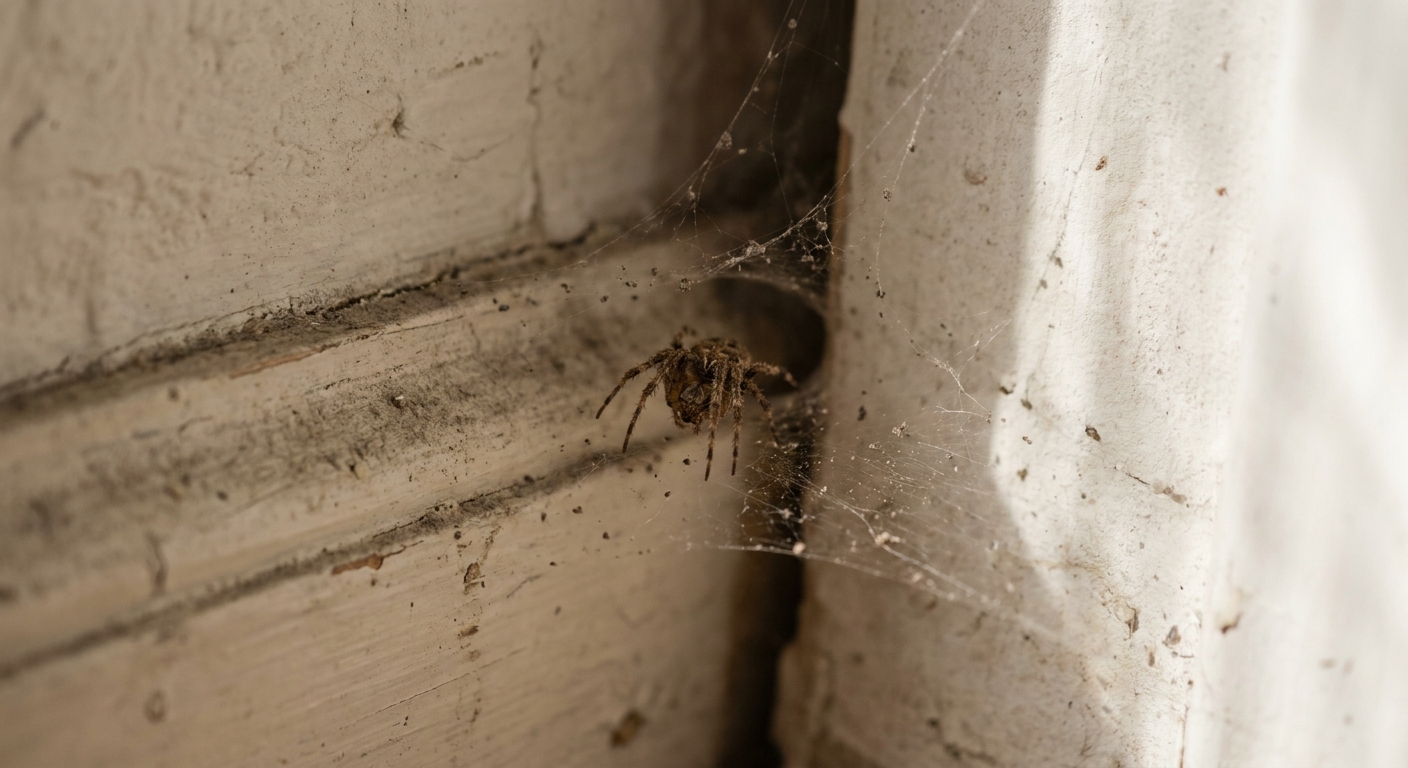
For every spider you see on a web, there are usually many more hiding out of sight. Spiders spend most of their time in dark, undisturbed areas such as behind baseboards, inside electrical outlets, under appliances, and within wall voids. Removing a visible web does not reduce this hidden population, and it can even make matters worse by dispersing spiders to other parts of the home.
Safety Risks of Spider Infestations
While most household spiders are harmless, some species can deliver painful or medically significant bites. A web is often the first sign that spiders are active in your home; ignoring it can allow a population to grow and increase the chance of an unwanted encounter. Professional extermination includes identifying whether any dangerous species are present and responding accordingly.
The Professional Extermination Process for Spiders
Professional spider extermination is a multi-step process that goes far beyond removing webs. Here is what you can expect when we treat a spider problem.
Inspection and Identification
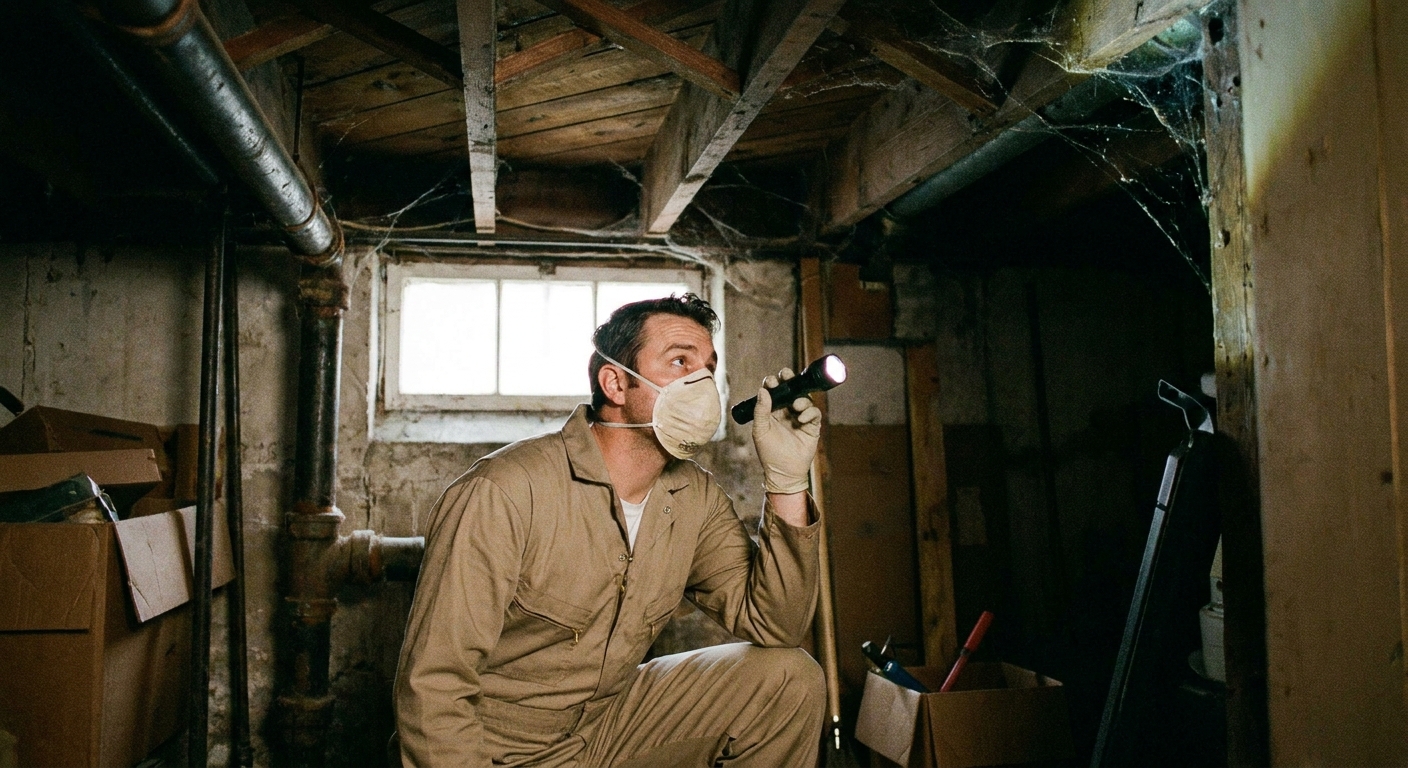
Every effective spider treatment starts with a detailed inspection. We look for actual spiders, egg sacs, web patterns, and the cracks and gaps that allow spiders to enter. Identifying the species helps us choose the most effective treatment and tells us where to focus our efforts—some spiders prefer high corners, while others live close to the floor or in basements.
Targeted Treatment Methods
We apply treatments directly to the places spiders hide, not just to the webs they leave behind. Depending on the situation, this may include residual insecticide applications along baseboards, in cracks and crevices, and around entry points, as well as targeted dusts inside wall voids. We also remove existing webs and egg sacs as part of the service, so the area starts clean and stays that way longer.
Follow-Up and Monitoring
A single treatment often reduces spider numbers significantly, but follow-up is essential to catch any stragglers or newly hatched spiders. We schedule a follow-up visit to inspect the treated areas, remove any new webs, and reapply products if necessary. This ongoing monitoring is what makes extermination a lasting solution rather than a one-time clean-up.
We are a family-owned and operated pest control company, and we treat every home with the same care we would our own. We stand behind our work and keep treating until the problem is resolved.
Prevention: An Integral Part of Professional Spider Control
Extermination alone is not enough if the conditions that attracted spiders remain unchanged. As part of a professional spider control service, we advise on and often perform structural improvements that reduce future spider activity.
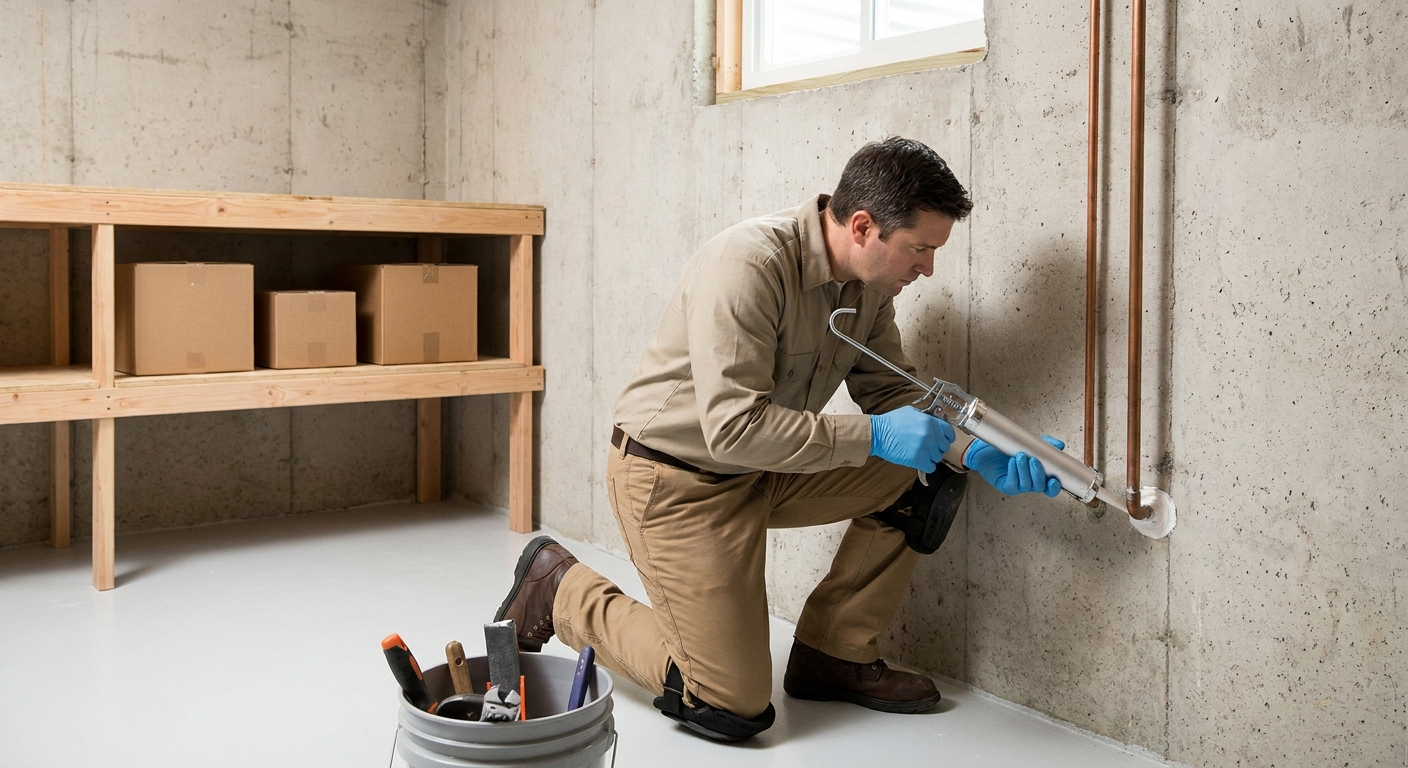
- Sealing cracks and gaps around windows, doors, pipes, and utility lines.
- Reducing clutter in storage areas and basements where spiders prefer to hide.
- Managing other insect populations, since spiders follow their food source.
- Adjusting exterior lighting to avoid attracting flying insects that spiders prey on.
- Installing or repairing door sweeps and screens.
Identifying Common Spider Species
Different spider species require different treatment approaches, which is why identification is so important. Common household spiders include harmless cellar spiders, also known as daddy longlegs, which build messy, irregular webs in corners; house spiders that spin small webs near windows; and wolf spiders that do not build webs at all but hunt on the ground. Some species, such as the black widow, are more reclusive and build tangled webs in dark, undisturbed areas. Knowing what you are dealing with helps a technician choose the right products and placement.
The Long-Term Consequences of Ignoring the Root Cause
If you only remove webs and never address the spiders, the problem will keep returning. Each generation produces more spiders, and over time a few stray spiders can become a much larger infestation. Egg sacs left behind can hatch dozens of spiderlings at once, quickly overwhelming a home. Eventually, what started as occasional cobwebs can evolve into spiders appearing in living spaces, in bedding, and in stored items.
Conclusion: Choose Extermination for Lasting Spider Control
Web removal is a useful part of routine cleaning, but it should never be confused with spider control. Only extermination tackles the hidden population, prevents rebuilding, and reduces the chance of bites and recurring infestations. If you are tired of sweeping away the same cobwebs every week, the most effective next step is to have a professional assess your home and implement a targeted extermination plan.
Contact us today to schedule an inspection and stop the cycle of sweeping away cobwebs.