

Finding an unexpected number of eight-legged intruders lurking in the lower levels of your home is a clear indicator of environmental shifts happening outside. When heavy rains and high humidity saturate the soil, ground-dwelling pests are forced to seek shelter, making subterranean spaces the perfect refuge. If you find yourself constantly wondering, “Why are there so many spiders in my basement? The link between damp weather and spider infestations” is rooted entirely in survival instincts. Spiders follow their food sources, and the damp, undisturbed microclimates created by seasonal downpours provide the ideal hunting grounds.
A sudden influx of arachnids is rarely a coincidence; it is a biological response to changing weather patterns. By understanding the environmental triggers that drive these pests indoors, homeowners can take proactive steps to eliminate the underlying conditions that make their properties so attractive to unwanted guests.
The Climate Connection: Why Damp Weather Drives Spiders Indoors
Understanding Humidity and Spider Behavior
Spiders are highly sensitive to their environments, and their movements are largely dictated by moisture levels and prey availability. While some species naturally prefer arid conditions, the common house spider thrives in environments with elevated humidity. When the weather outside becomes excessively wet, the soil reaches its saturation point, forcing insects out of their natural habitats. Because spiders are predatory, they naturally migrate to wherever their food sources are fleeing. As a family-owned and operated team with over 20 years of experience, we consistently observe that indoor humidity spikes correlate directly with an increase in pest activity, turning a normally quiet home into a thriving ecosystem for arachnids.
Seeking Shelter from Heavy Rainfall
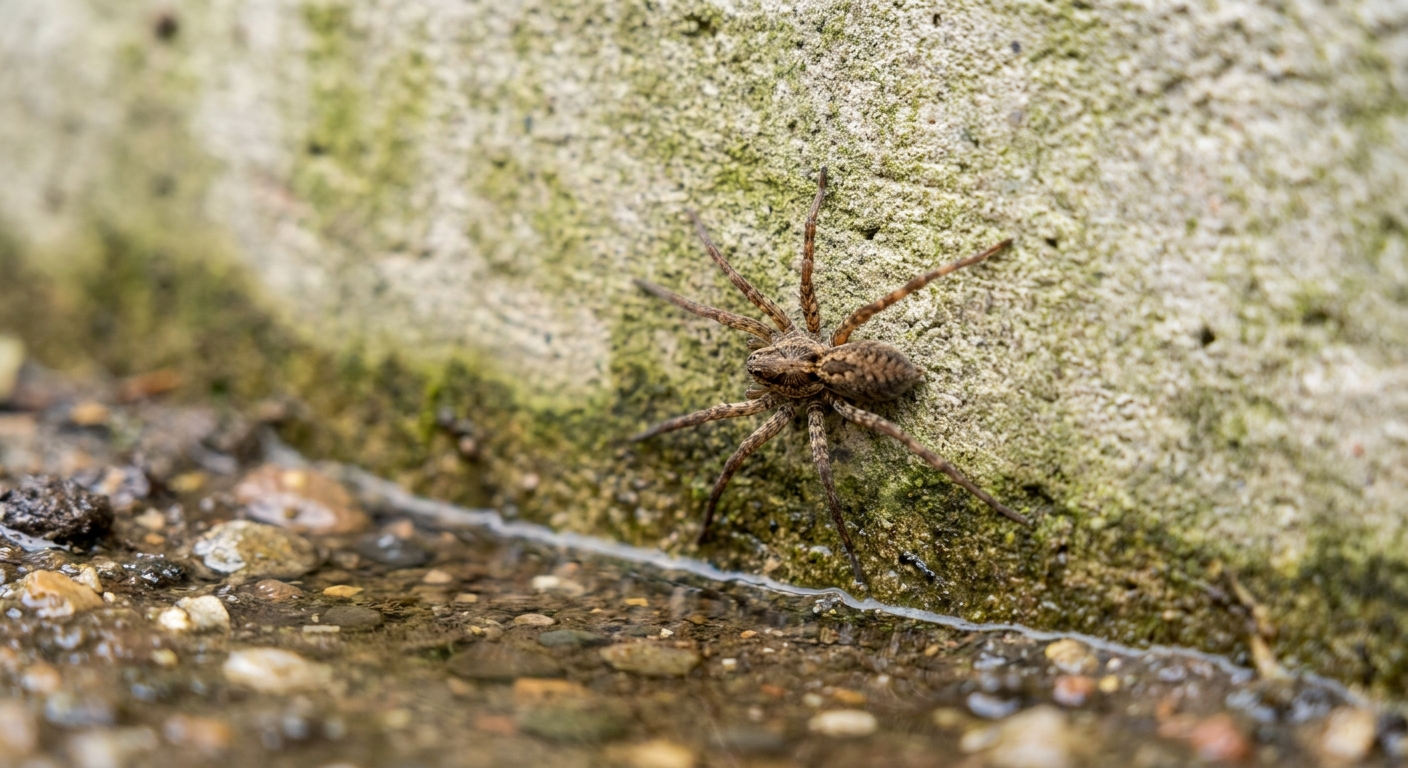
Heavy rainfall does more than just water the lawn; it disrupts the subterranean habitats of countless insects. As water pools around the foundation of a building, it creates hydrostatic pressure that pushes moisture—and the bugs trying to escape it—toward the path of least resistance. This path often leads straight into the lower levels of a residential property. Spiders seek out these newly occupied, dry sanctuaries to rebuild their webs and hunt the influx of displaced insects.
Why Your Basement is the Perfect Spider Habitat
The Draw of Dark, Undisturbed Spaces
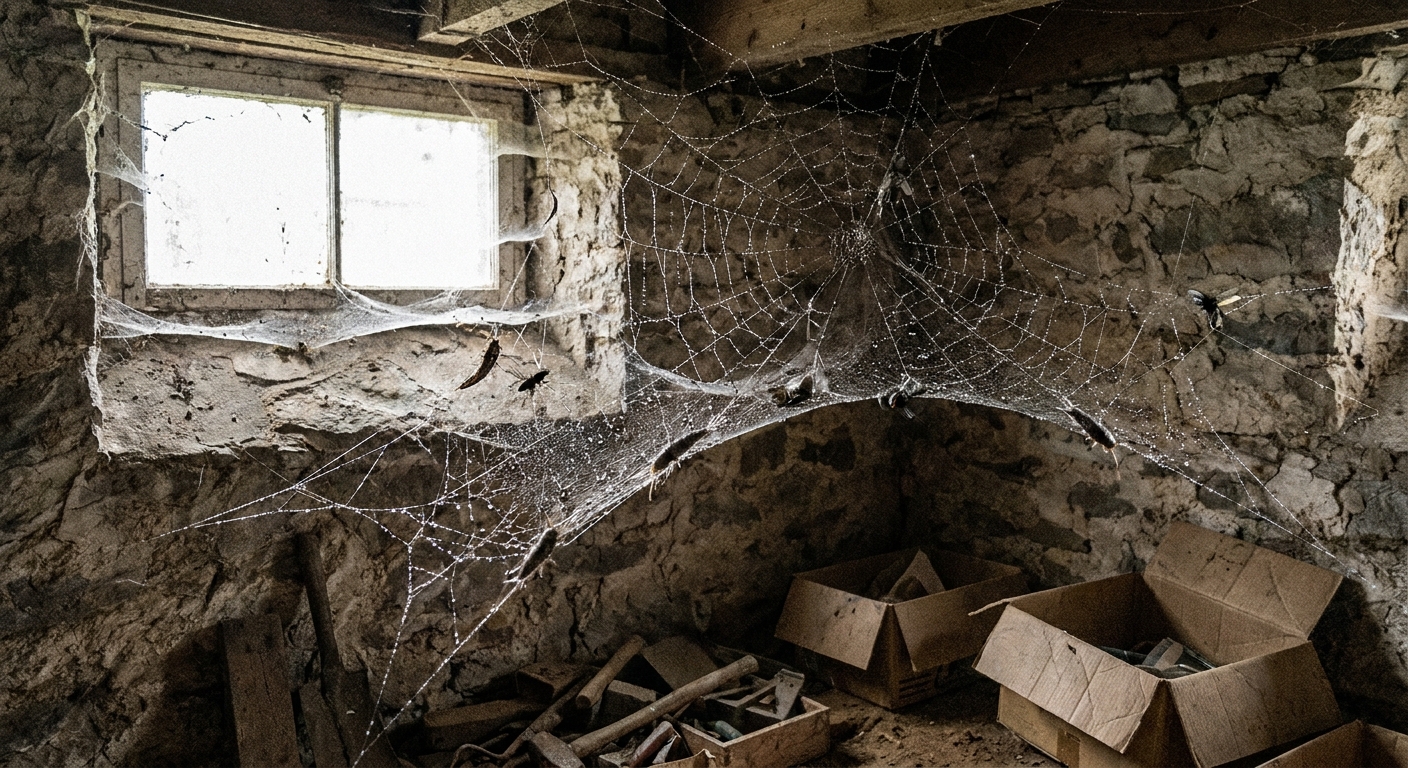
Spiders possess a strong instinct to avoid human interaction and constant disruption. Basements naturally provide the exact environment they crave: dark corners, exposed structural beams, and cluttered storage areas that are rarely disturbed. These quiet zones allow them to spin intricate webs, hunt efficiently, and lay egg sacs without the threat of being swept away. In our experience protecting over 500 commercial properties and thousands of residential homes, we find that the less foot traffic a room receives, the more likely it is to harbor a growing spider population.
Trapped Moisture and Microclimates
Beyond the darkness, basements are notorious for poor ventilation, which creates a unique microclimate that traps moisture. Condensation on pipes, subtle foundation leaks, and high ambient humidity create the damp conditions that moisture-loving pests need to survive. Our lead technician, Stephen Scott, who has been identifying pest entry points since 2000, frequently points out that trapped moisture behind walls is the primary catalyst for recurring insect populations. Without proper airflow, a basement becomes an inescapable draw for the entire local food chain.
The Food Source Factor: Are Other Moisture-Loving Pests Attracting Spiders?
The Predator-Prey Dynamic in Damp Areas
A spider infestation is rarely an isolated issue; rather, it is usually a glaring symptom of a broader pest problem. Spiders do not move into a house simply for the shelter; they move in because there is a reliable food source. The predator-prey dynamic is entirely dependent on the presence of other insects. If your lower levels are teeming with arachnids, it is a guarantee that they are feeding on a steady supply of smaller pests that have also been drawn indoors by the damp weather.
Common Insects That Draw Spiders Inside
Moisture acts as a magnet for a variety of insects, including silverfish, centipedes, earwigs, and cockroaches. These pests thrive in humid environments and serve as the primary diet for indoor spiders. We always educate our clients that treating the spiders alone is only half the battle. Our 98% treatment success rate is achieved by identifying and eliminating the underlying food source that draws the spiders inside in the first place. Once the prey is gone, the predators have no reason to stay.
Seasonal Shifts and Mating Cycles: Explaining Sudden Spider Surges
Temperature Drops and Indoor Migration
As the seasons change, bringing a combination of dropping temperatures and heavy rains, spiders are biologically driven to seek warmer, more stable environments. This seasonal shift triggers a mass migration indoors. The contrast between the cold, wet exterior and the warm, sheltered interior of a home makes your property an irresistible target for pests looking to survive the changing weather.
The Impact of Spider Mating Seasons
Another major factor contributing to the sudden appearance of spiders is their mating cycle. During late summer and fall, male spiders leave the safety of their hidden webs and begin roaming actively in search of females. This sudden increase in visibility is often mistaken for a massive new infestation, when in reality, it is simply the males coming out of hiding. Our licensed technicians are deeply familiar with these biological cycles, ensuring that our targeted treatments interrupt the mating season before new egg sacs can be deposited and hatched.
Common Entry Points: How Spiders Breach Your Basement
Identifying Foundation Cracks and Gaps
Even the most well-maintained homes develop structural vulnerabilities over time. Hydrostatic pressure from damp weather can expand tiny foundation cracks, providing a direct highway for spiders and other insects to enter. These micro-fissures are often invisible to the untrained eye but are more than large enough for an arachnid to squeeze through. During our comprehensive property inspections, identifying these hidden entry points is always a top priority.
Vulnerabilities in Basement Windows and Vents
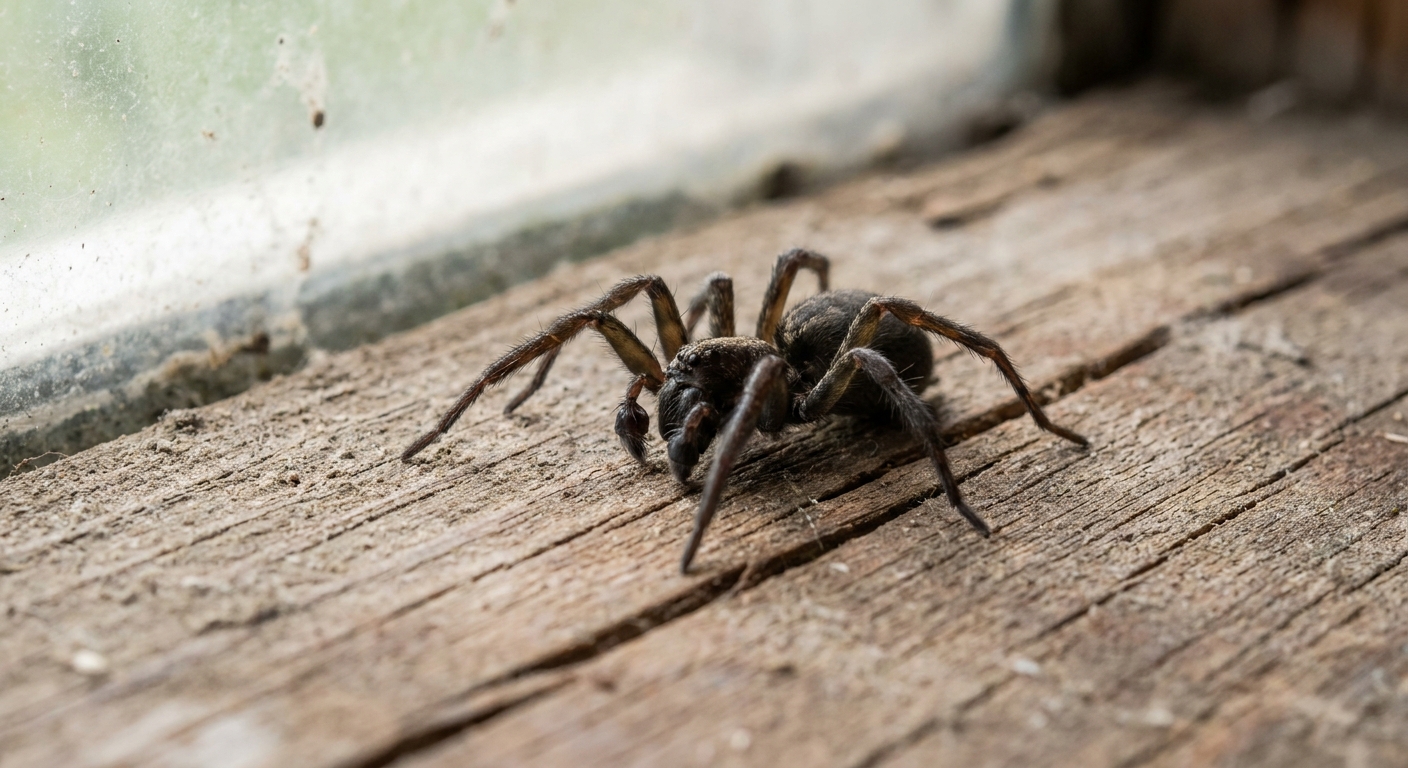
In addition to foundation cracks, poorly sealed windows, damaged weather stripping, and unmeshed vents are prime entry points. Ground-level windows are particularly susceptible to water pooling and subsequent pest intrusion. Spiders use these architectural gaps to bypass exterior defenses effortlessly. Sealing these vulnerabilities is a critical step in fortifying a home against future invasions.
Professional Spider Control and Moisture Management Strategies
Expert Pest Eradication Methods
Tackling a severe spider issue requires a structured, professional approach. When you contact us, we initiate a proven four-step process:
- Contact Us: Our friendly dispatch team books your appointment and answers your immediate questions.
- Inspection: A licensed technician conducts a thorough inspection to customize your service.
- Diagnosis: We provide a precise diagnosis of the pest-proofing required.
- Treatment: We execute a targeted treatment plan using highly effective, government-registered products that are deemed safe for use around families and pets.
We wear proper PPE, including disposable booties, to ensure your property remains immaculate, and all dead pests are carefully removed according to strict environmental guidelines.
Long-Term Structural Humidity Solutions
Eradicating the current population is only the beginning; keeping them out requires long-term moisture management. We are so confident in our ability to keep insects away that we promise to keep working with our clients until they are completely satisfied. By addressing the structural humidity that attracts the spider’s prey, we ensure your home remains a hostile environment for pests. With over 1,500 happy clients and a reputation as one of the top QualityPro certified teams in the industry, we provide the peace of mind that comes from knowing your home is fully protected by dedicated professionals.